








Three, two, one… The last seconds ticking away before the start of a race are relentless. But what happens beforehand? “We had everything planned down to the minute,” recalled Olympic champions Kateřina Neumannová and Martin Doktor after visiting the factory of the watchmaking brand Prim, one of the suppliers of the Czech Olympic Committee.
“When I ended my career, one of my first resolutions was that I never wanted to wear a sports watch on my wrist again. I measured every training session. After all, I still annoy people with my organization and punctuality to this day — I was trained for it since childhood,” described the legendary skier Kateřina Neumannová with a smile, the Olympic champion from Turin 2006.
As a professional athlete, she followed a precisely set time schedule: for example, she went to breakfast three and a half hours before the start. “We raced in the morning or at the latest around lunchtime, rarely in the evening. Pre-race routines were firmly established; everyone had their own time and duration,” Neumannová outlined. “In my sport, the unpredictable variable is ski testing. Sometimes you test two pairs of skis, and when conditions on the course have been the same for about a week, it takes 20 minutes. But sometimes you’re tinkering with skis until the last moment, which you can’t plan for in advance. At the same time, you always know how long before the start you want to be at the stadium to have your peace and quiet.”
A Cassette in the Walkman
“I had it pretty similar to Katka,” noted canoeist Martin Doktor, double Olympic gold medalist from Atlanta 1996 and sports director of the Czech Olympic Committee. “Over the years, I knew exactly how long before the start I should play a cassette in my Walkman. The first side would stop in the middle of a song, and then it would flip to the other side. I later did the same thing on a MiniDisc — I recorded the same songs in the same order,” Doktor recounted. “I wasn’t that crazy,” responded a laughing Neumannová.
Doktor explained. “Once it works out for you, you stick with it from then on. Before a race, I was almost obsessive about it, even though it sometimes hurt me. But when a race went well, I thought it helped me enormously,” he said. “Timing brings results: I eat when I need to, warm up, and arrive at the start exactly when I want to. I was used to arriving 500 meters above the start, turning around, and coming back. It worked out ideally for me in Atlanta, for instance. But four years later in Sydney, instead of the usual nine o’clock morning start, we began at three in the afternoon. It threw me off.”
Shaking Hands
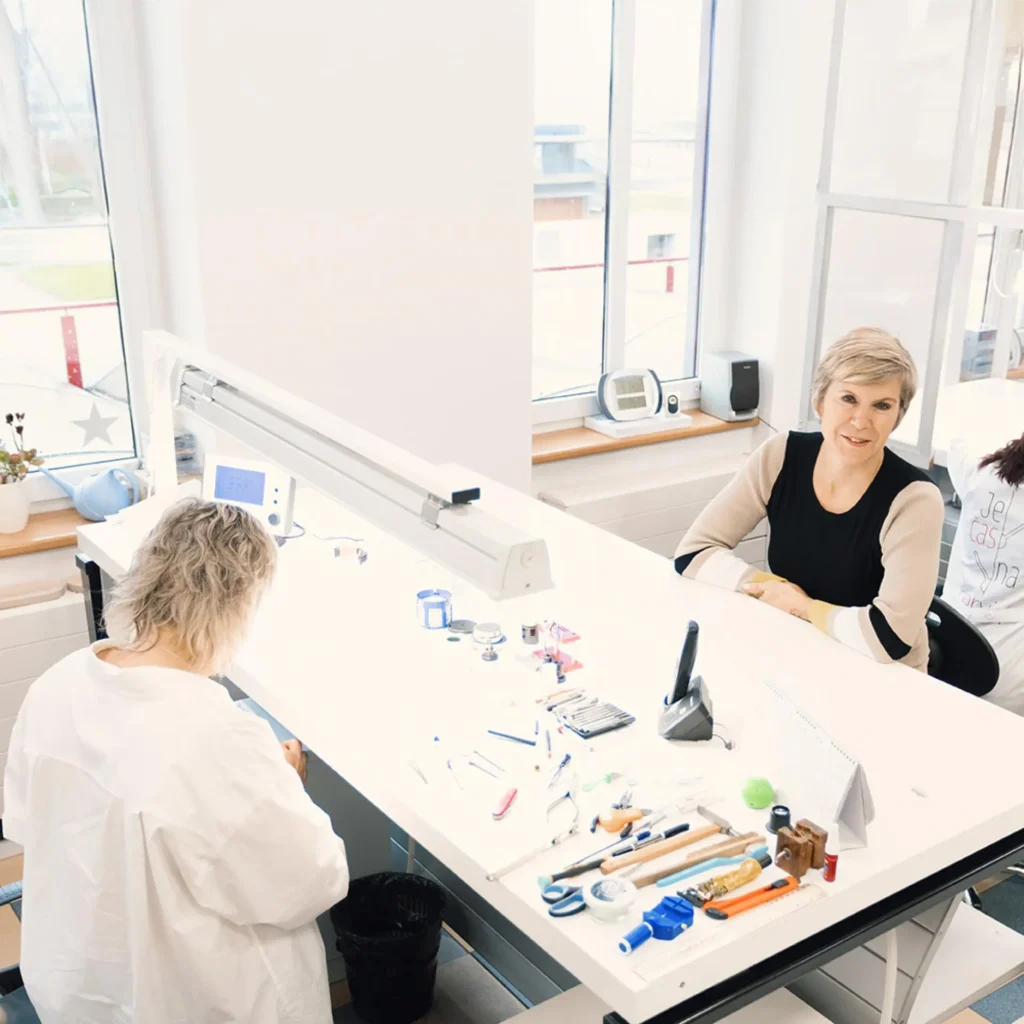
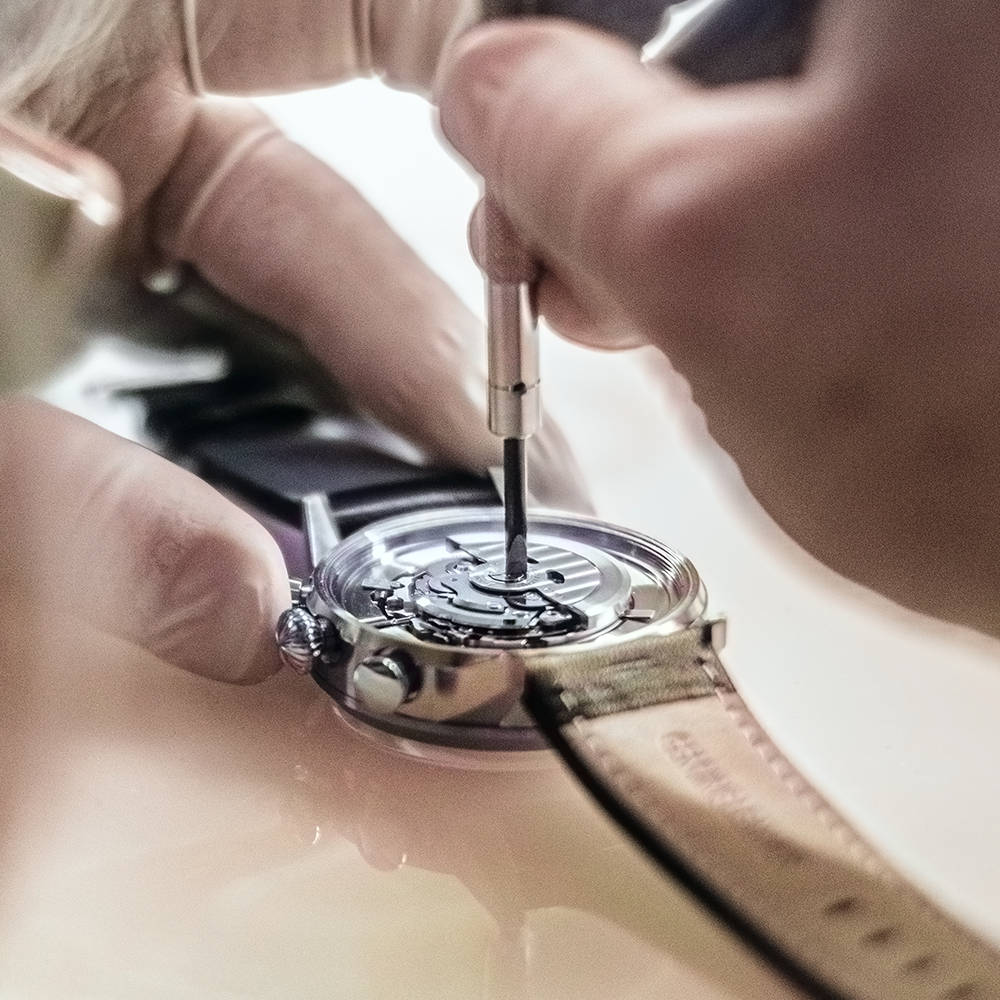
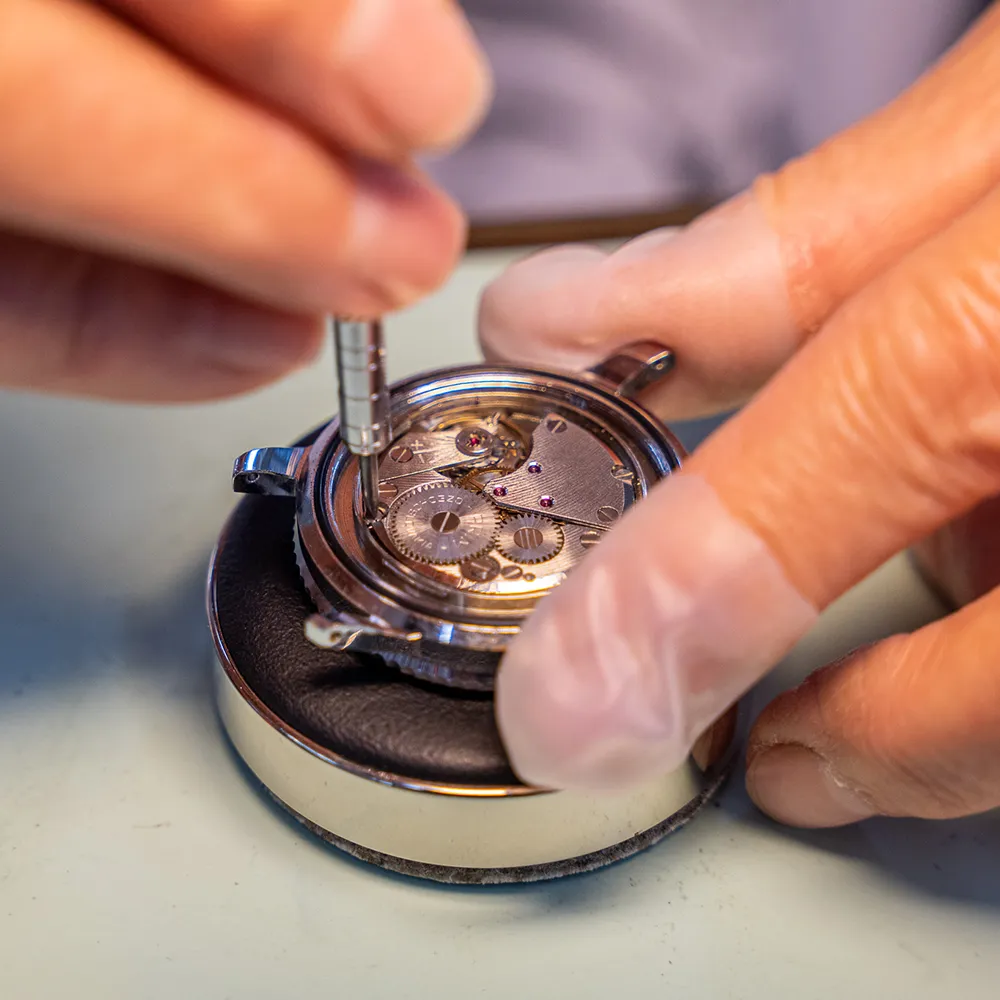
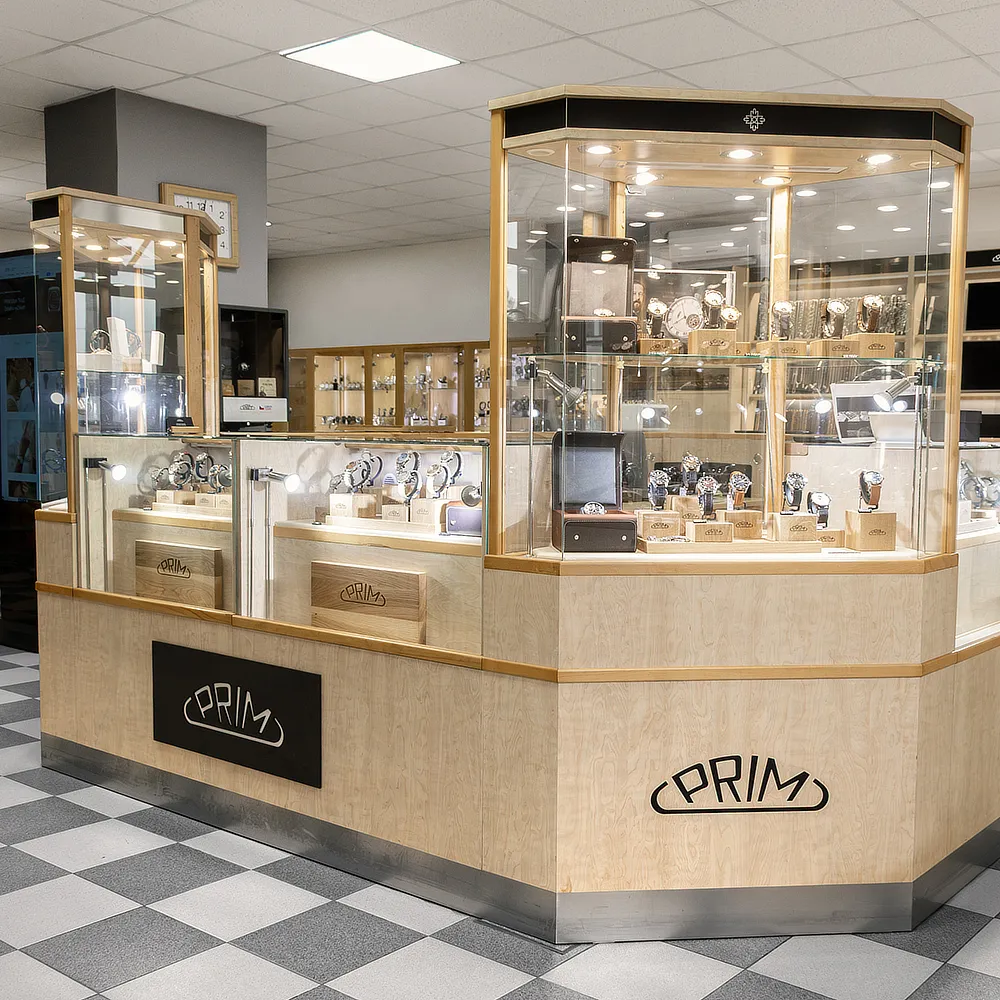
The Olympic champions also tried their hand at making the iconic Prim watches in Frýdek-Místek — real watchmaking work. Are you patient? “No. You could see that when we tried to assemble a watch,” Doktor joked after a series of trials and errors. Neumannová added: “I don’t think I’m completely impatient; I’d attribute it more to dexterity. I admire this work and fine mechanics, but I wouldn’t be skilled enough for it myself. I was embarrassed to show my incompetence in front of professionals — that I couldn’t even attach a hand. I kept saying I’d hold everyone up.”
Doktor had yet another reason: “Actually, I couldn’t even see it properly; they gave me a magnifying glass. I had to find exactly the right focal point where it was visible through the magnifier,” he described. “When they put rubber bands on my fingers, it felt like everything was slipping. Then they wanted me to insert a tiny pin into a hole, but my hands were shaking…”
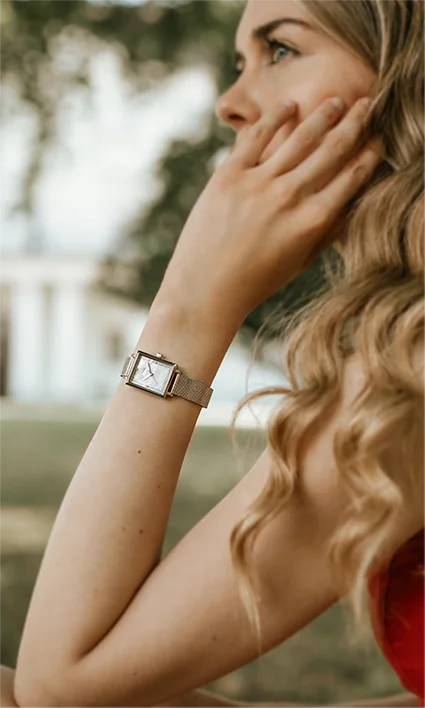
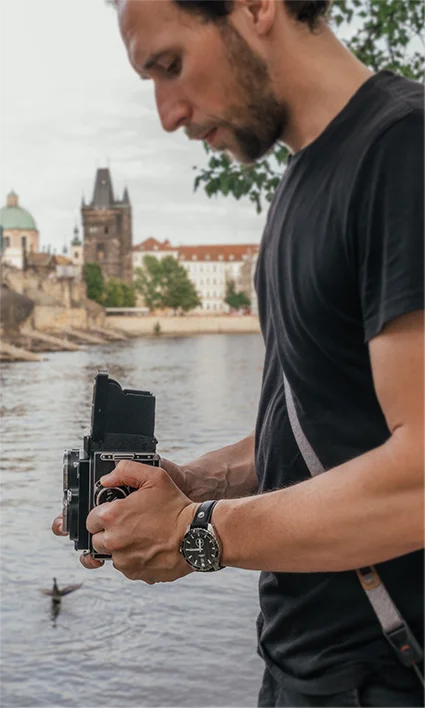
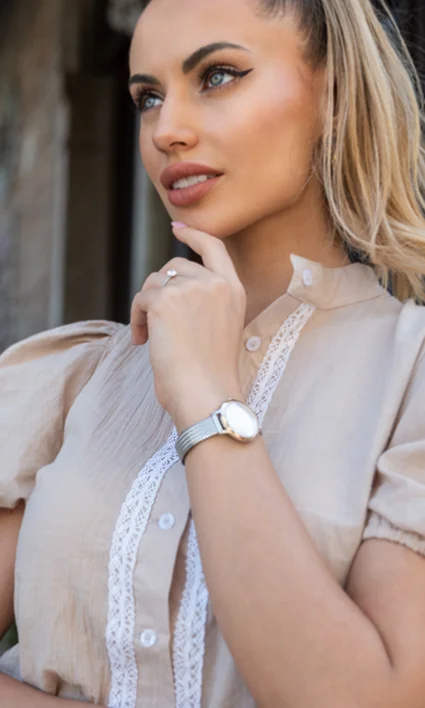
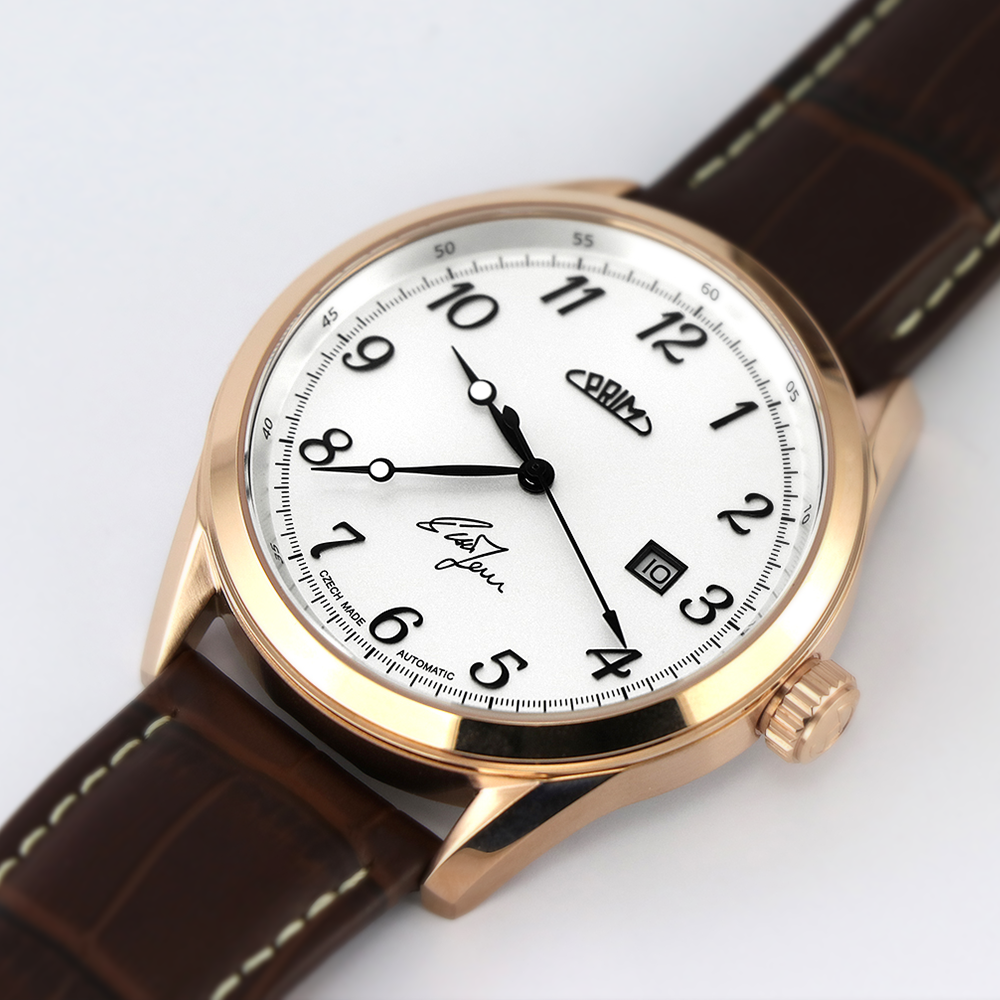
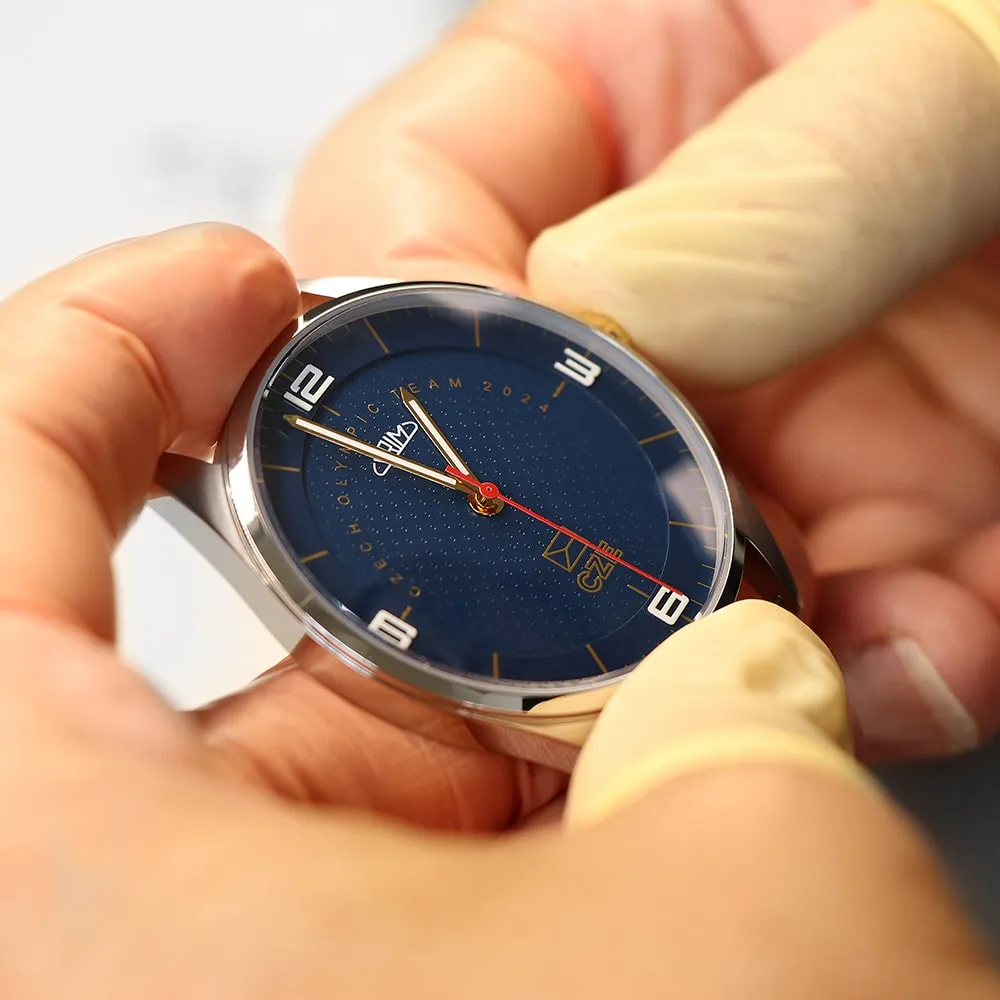
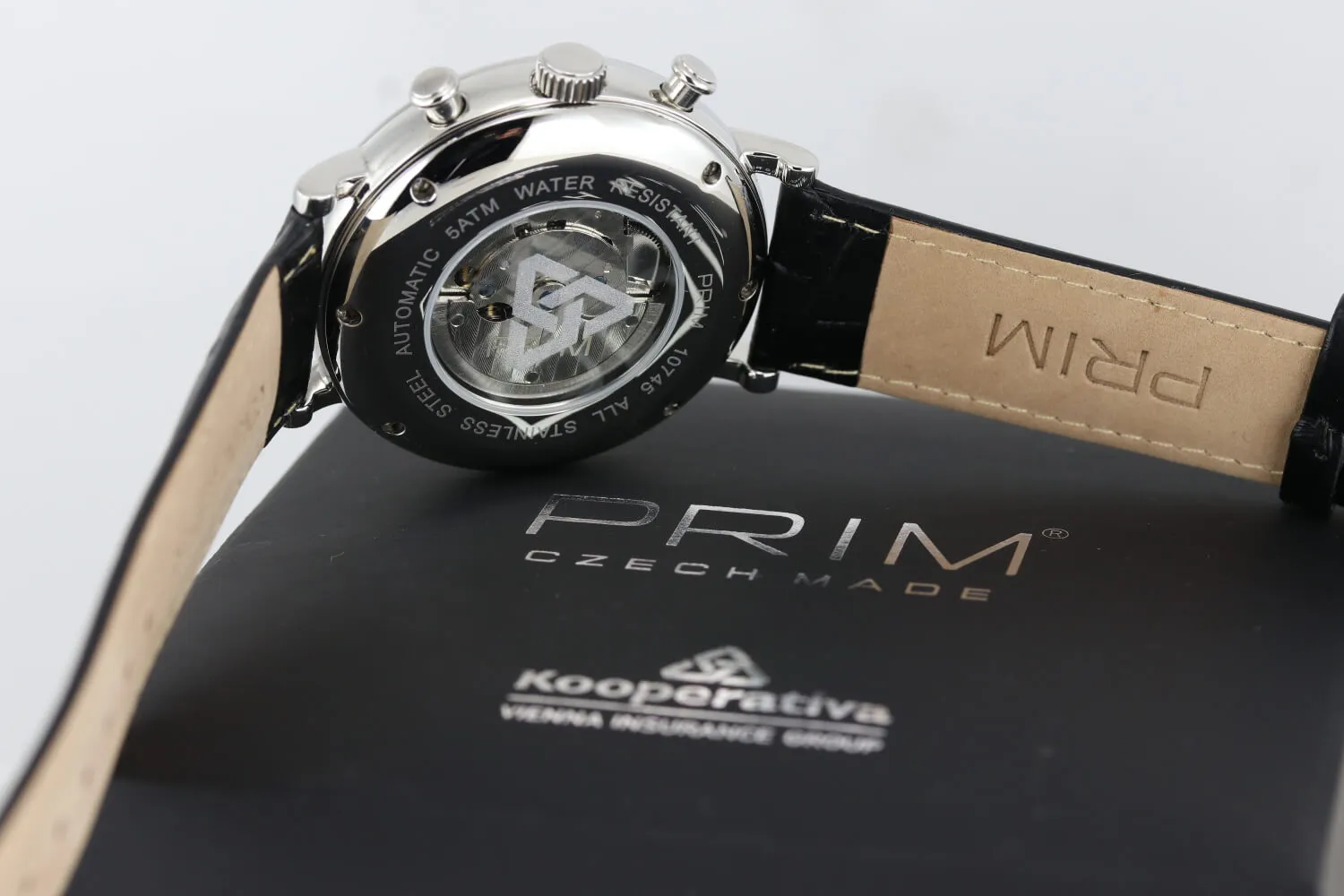
The factory also produces watches that will accompany Olympians on their journey to Paris. It is Neumannová and Doktor who are the patrons of the limited edition PRIM Czech Team Paris watch. The gold color represents the symbolism of the 100th anniversary of the first Olympic gold medal for Czechoslovakia, won by Bedřich Šupčík in 1924 in rope climbing. It also recalls the overall significance of sport for our country. The dial also features the dominant element of the Czech flag silhouette with the inscription CZE, which also adorns the Olympic clothing.
Luck Versus Precision
And how does the comparison of precise watchmaking with sport turn out? “You also need to put several things together for a sporting performance. Form, external conditions, a bit of luck…” Neumannová enumerated. Doktor remarked: “For master watchmakers, it’s not so much about luck — they have to go for precision. And unlike athletes, they don’t have a daily plan so they’re not under pressure to meet a deadline.”
Then the conversation turned back to time in sport. “The worst thing was waiting before races — I’d love to erase that from my life,” Neumannová emphasized. “I’m talking about the afternoons and evenings before big races, when you can’t enjoy yourself and you’re locked in your own bubble. You can’t train anymore; you have to rest. I was no fun to be around — I was withdrawn into myself.”
As she spoke about it, Doktor nodded in understanding. He experienced similar states himself: “The evening before races, I had a set routine of what I’d do. I’d rather spend an hour stretching than thinking about something. You’re also afraid of whether you’ll manage to fall asleep. You know that if you don’t fall asleep, the race will be ruined. And the next day, the worst thing was when the race was postponed — when it didn’t start at the originally scheduled time I’d prepared for. Suddenly nothing worked as it should, and I had to improvise because the time plan had fallen apart.”