








Production technology
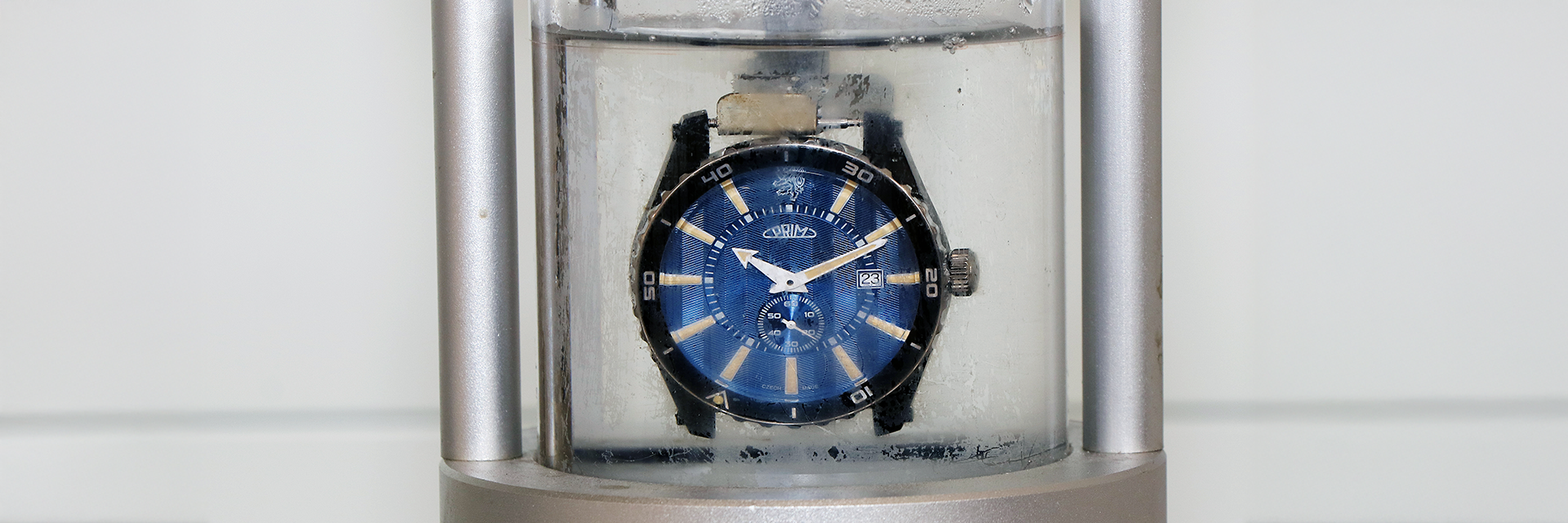
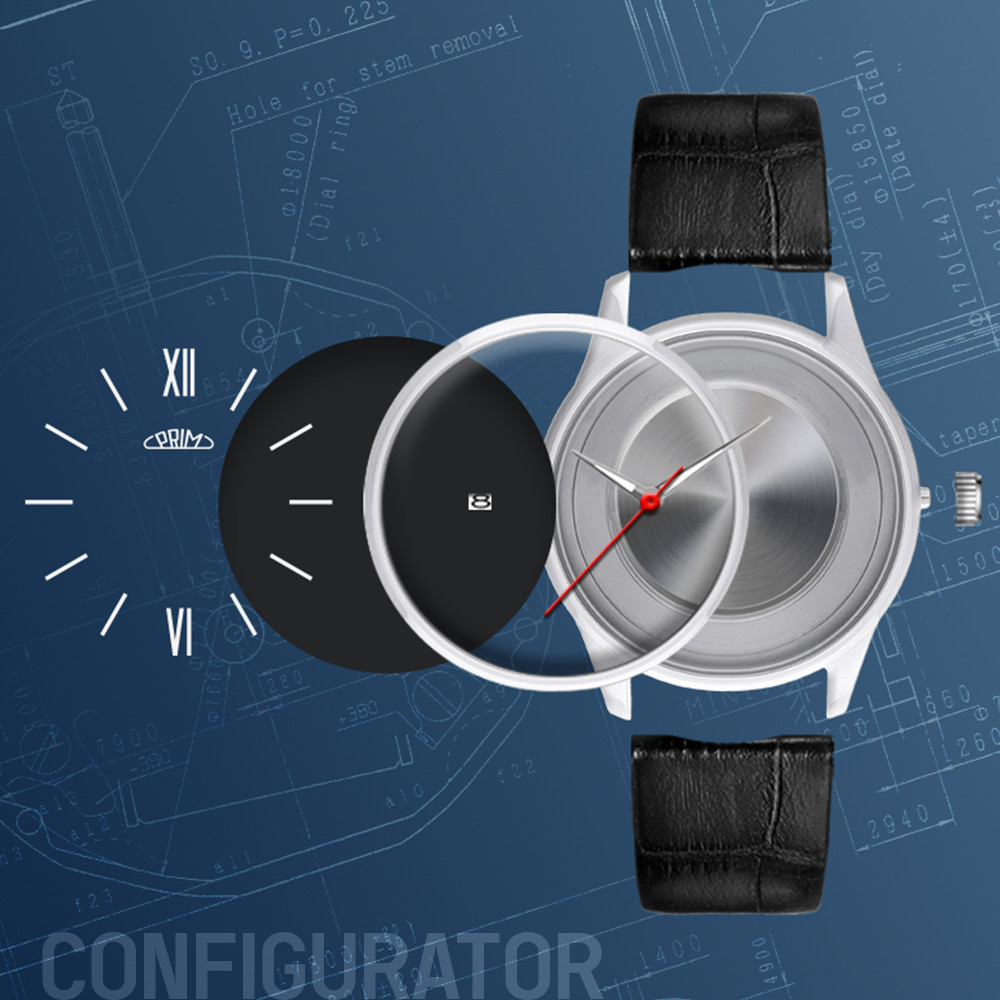
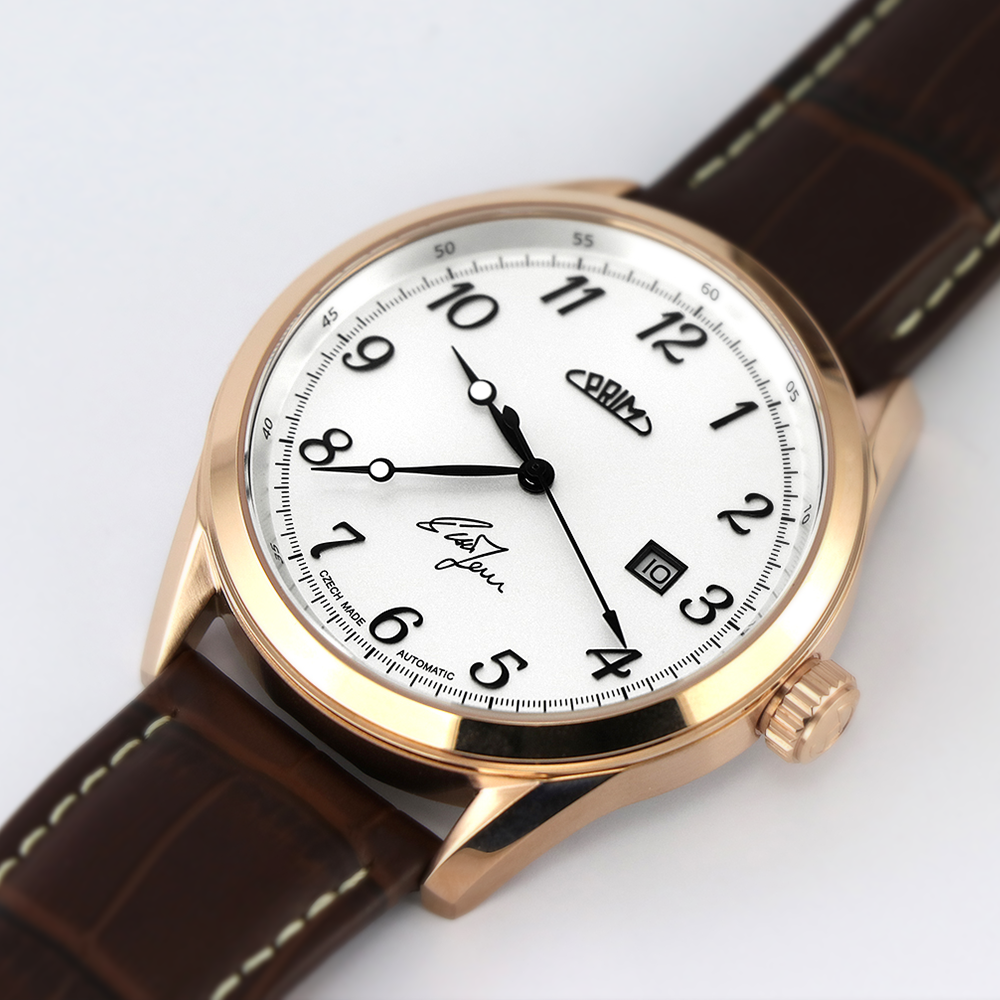
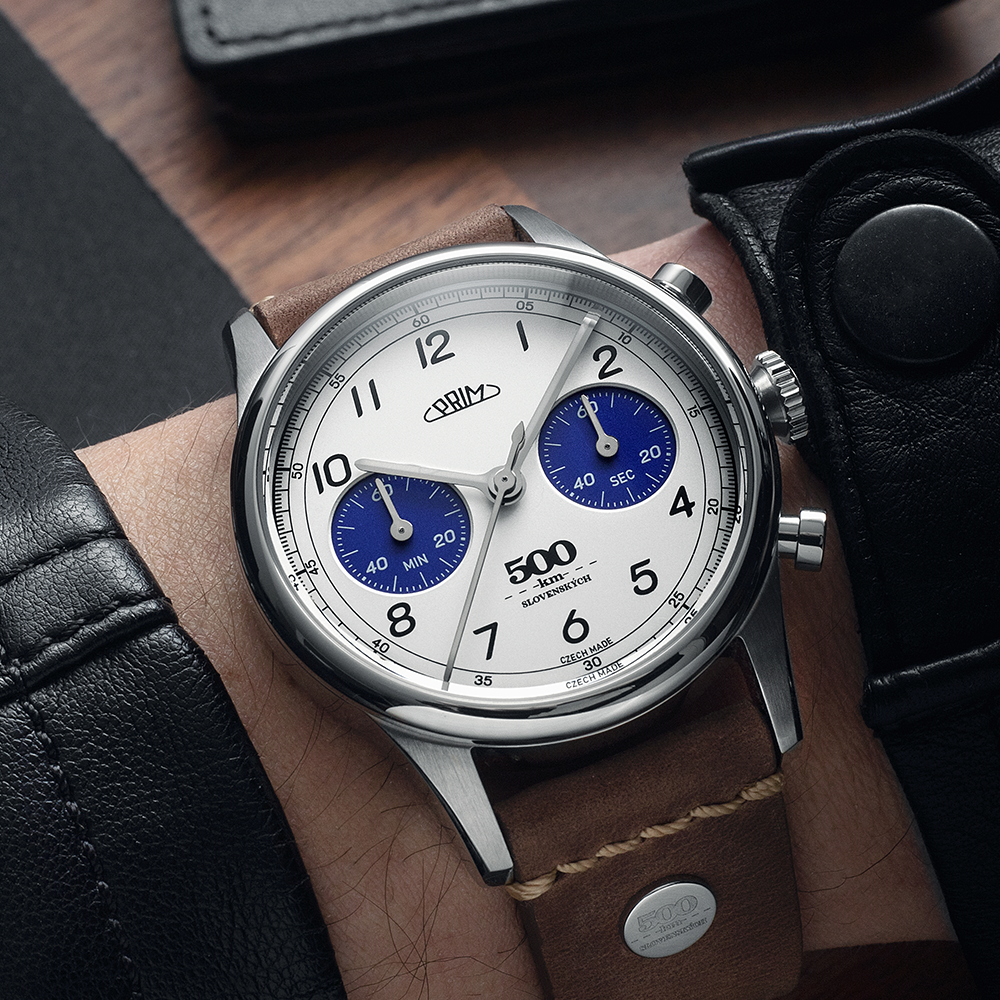
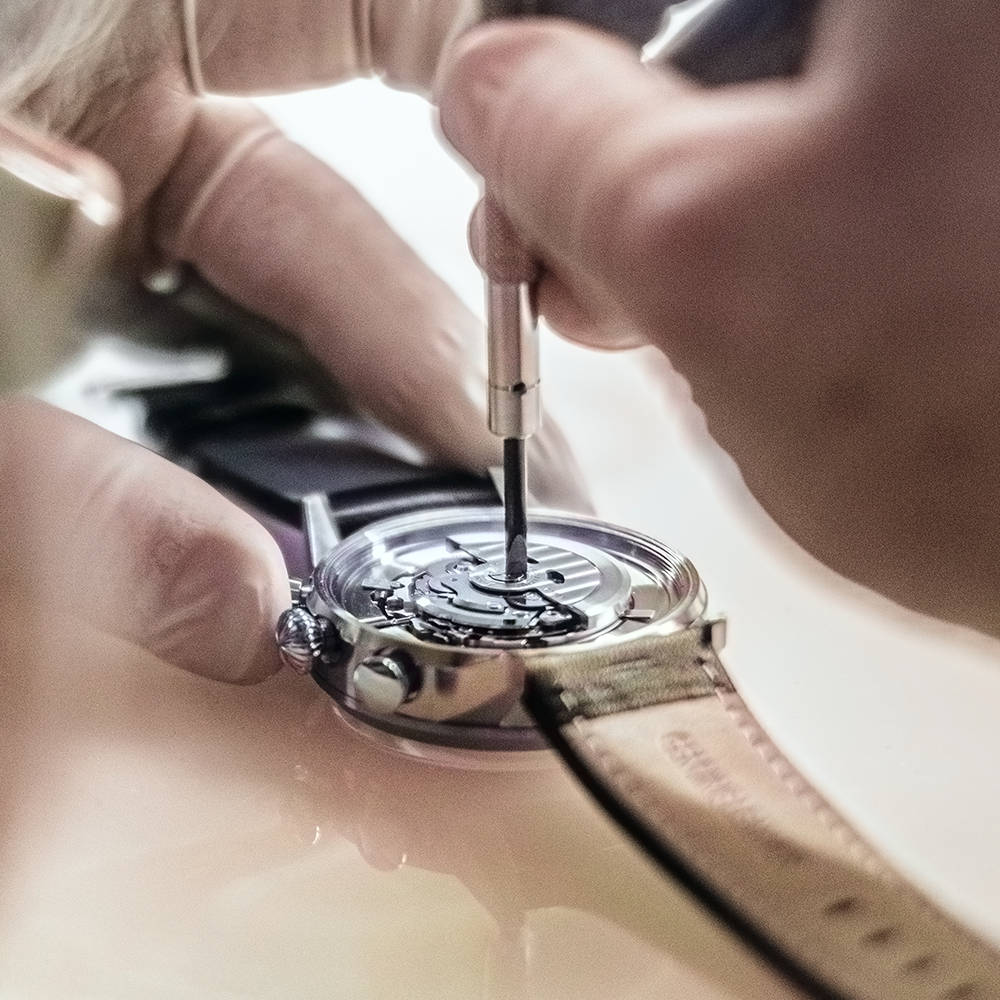
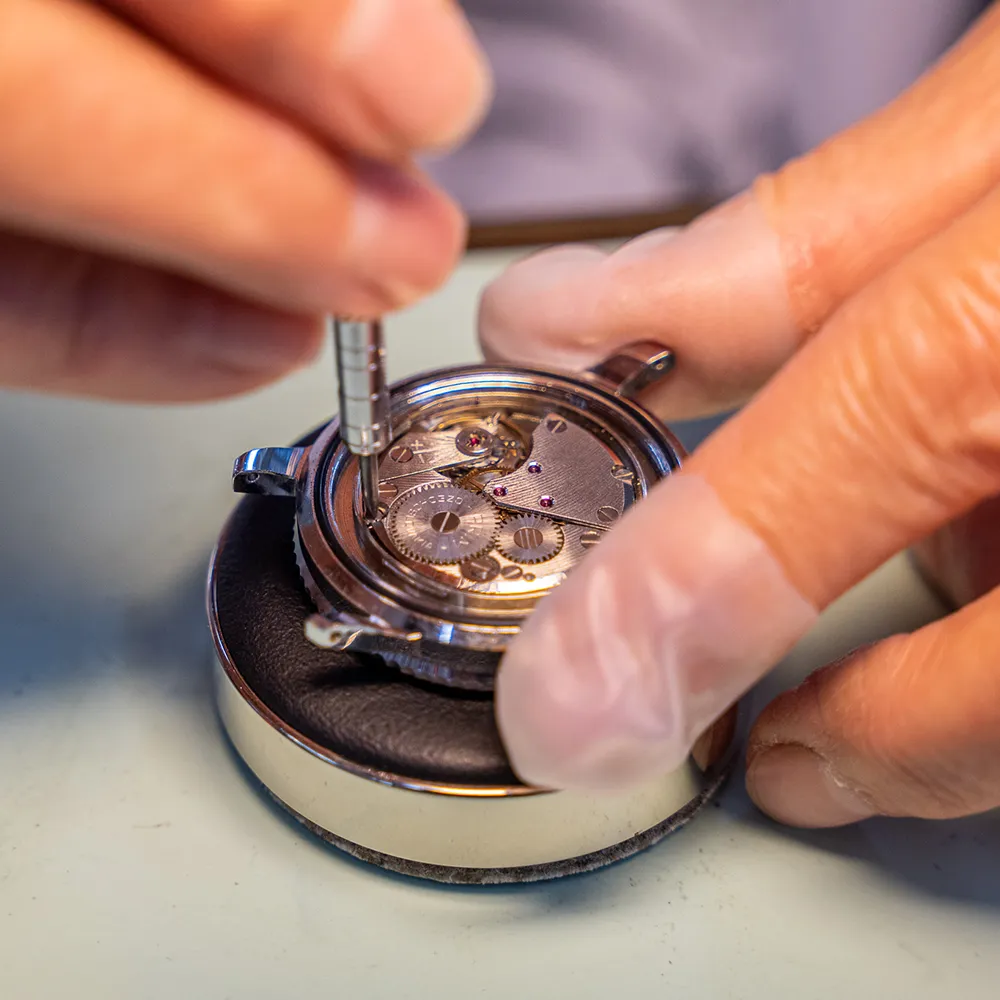
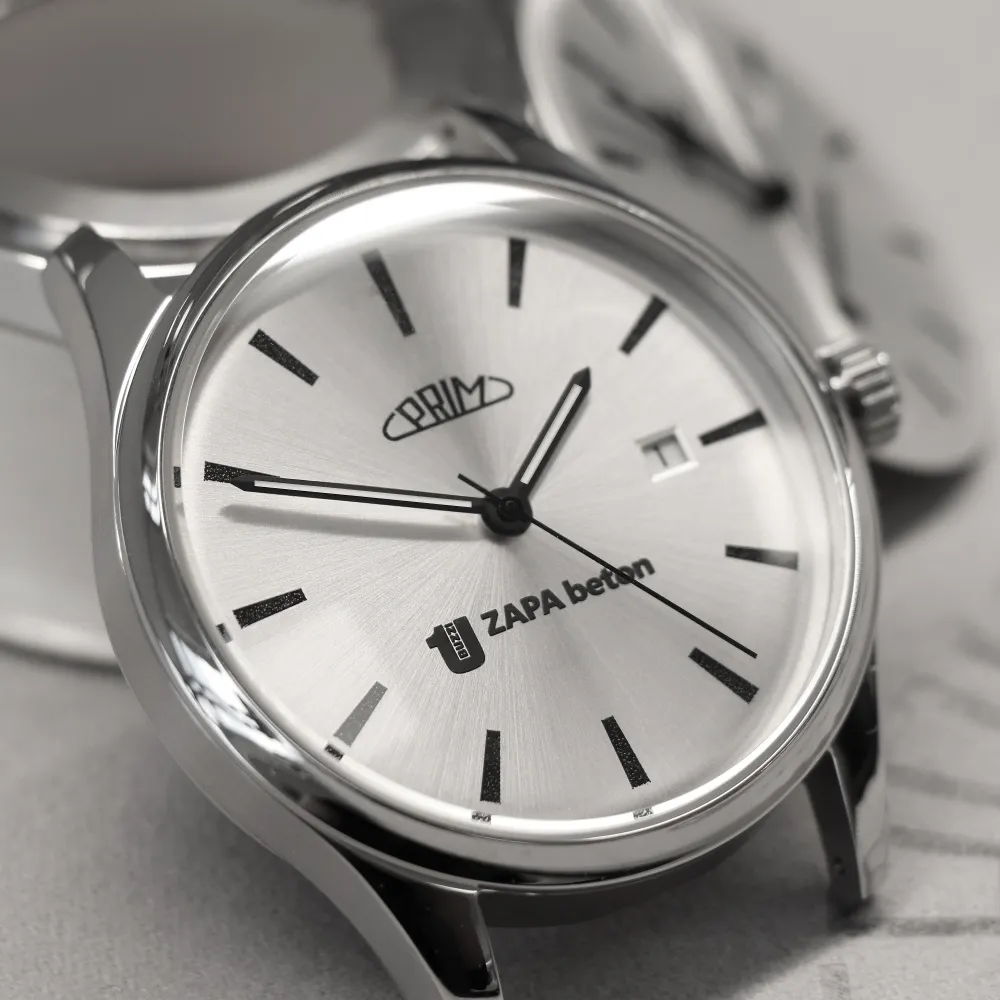
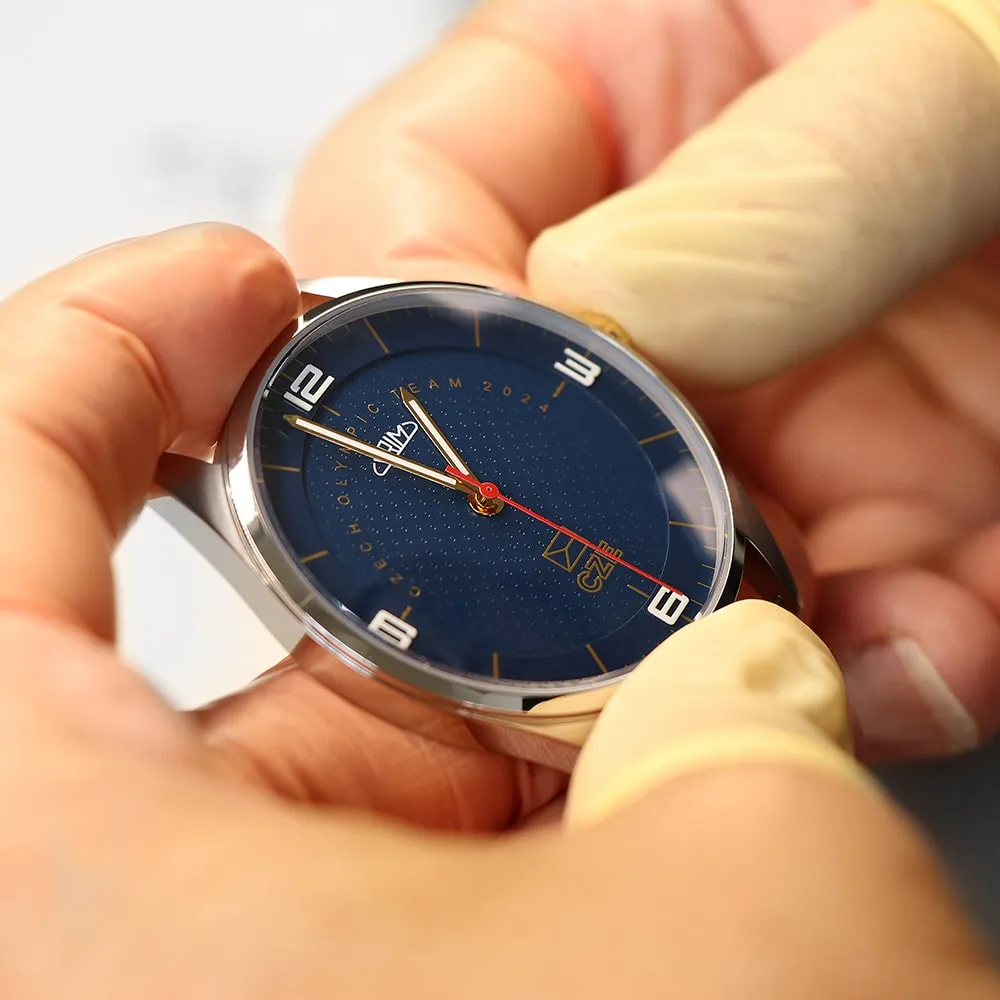
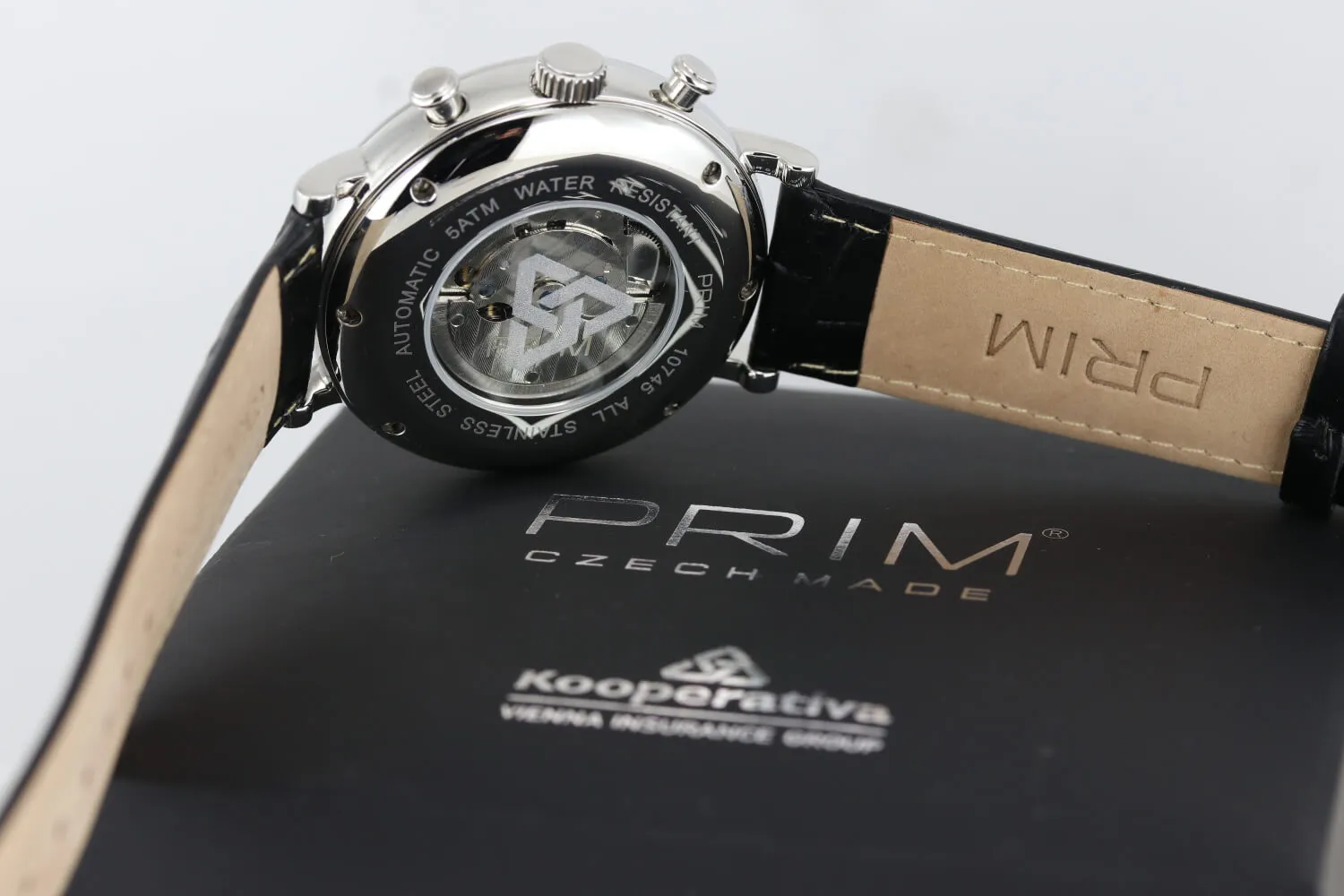
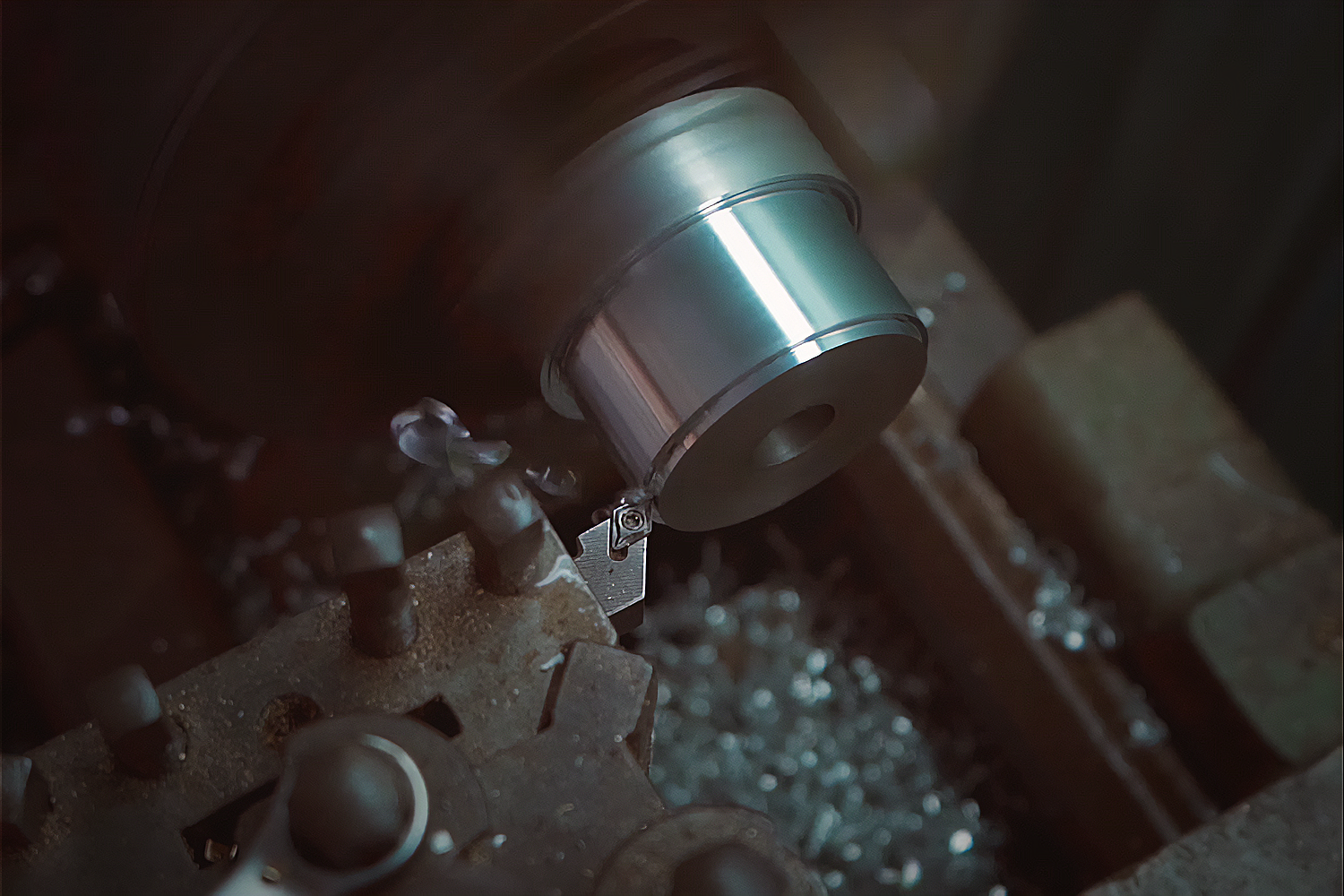
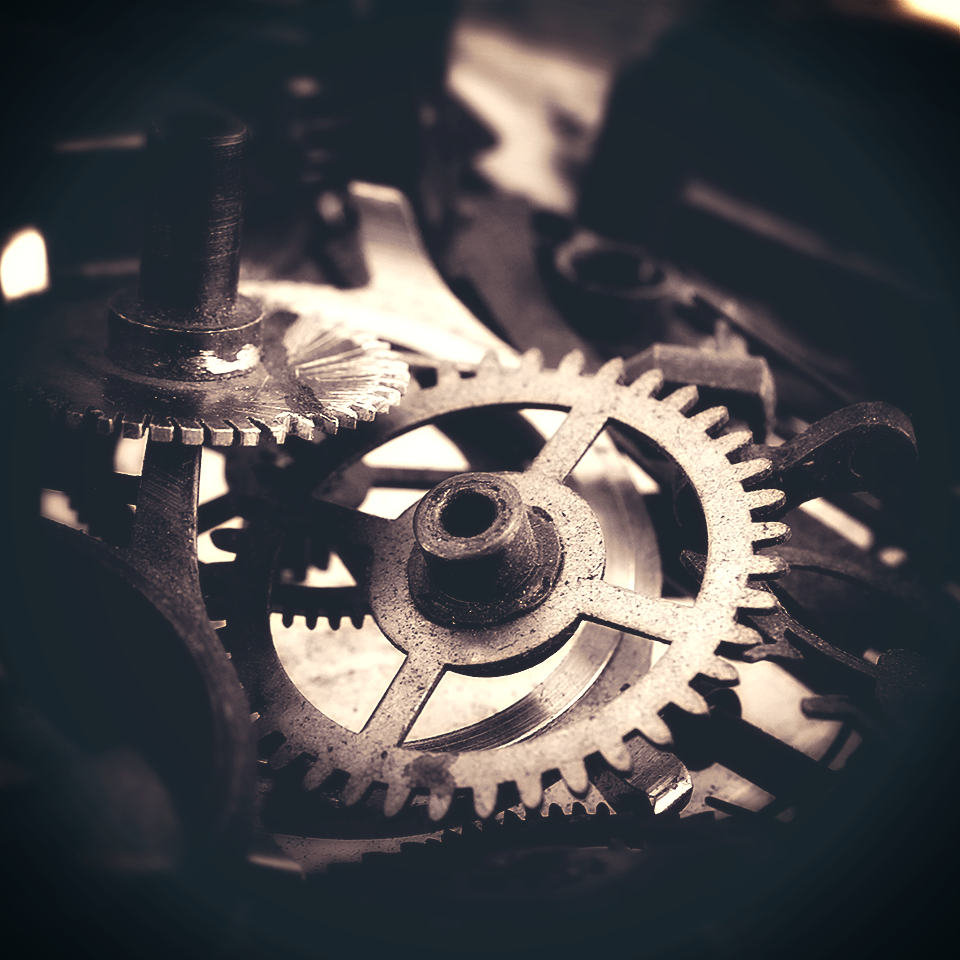
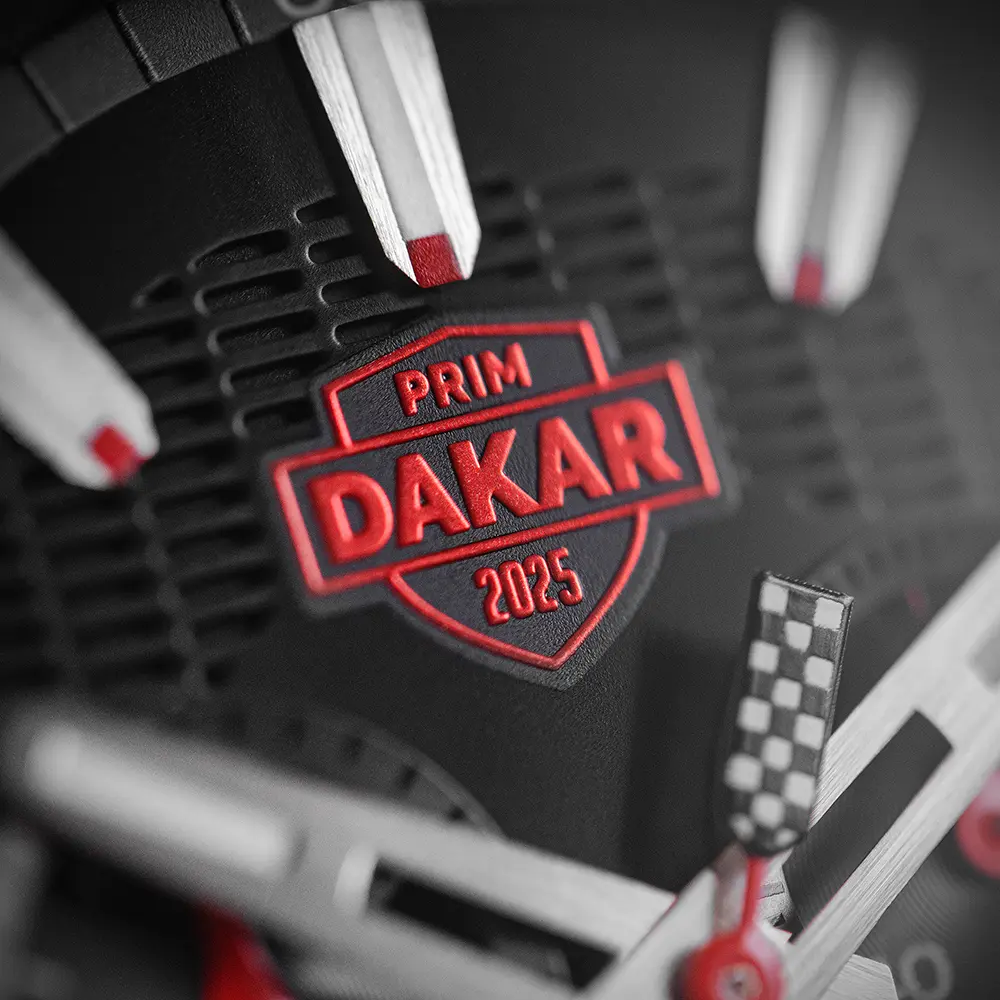
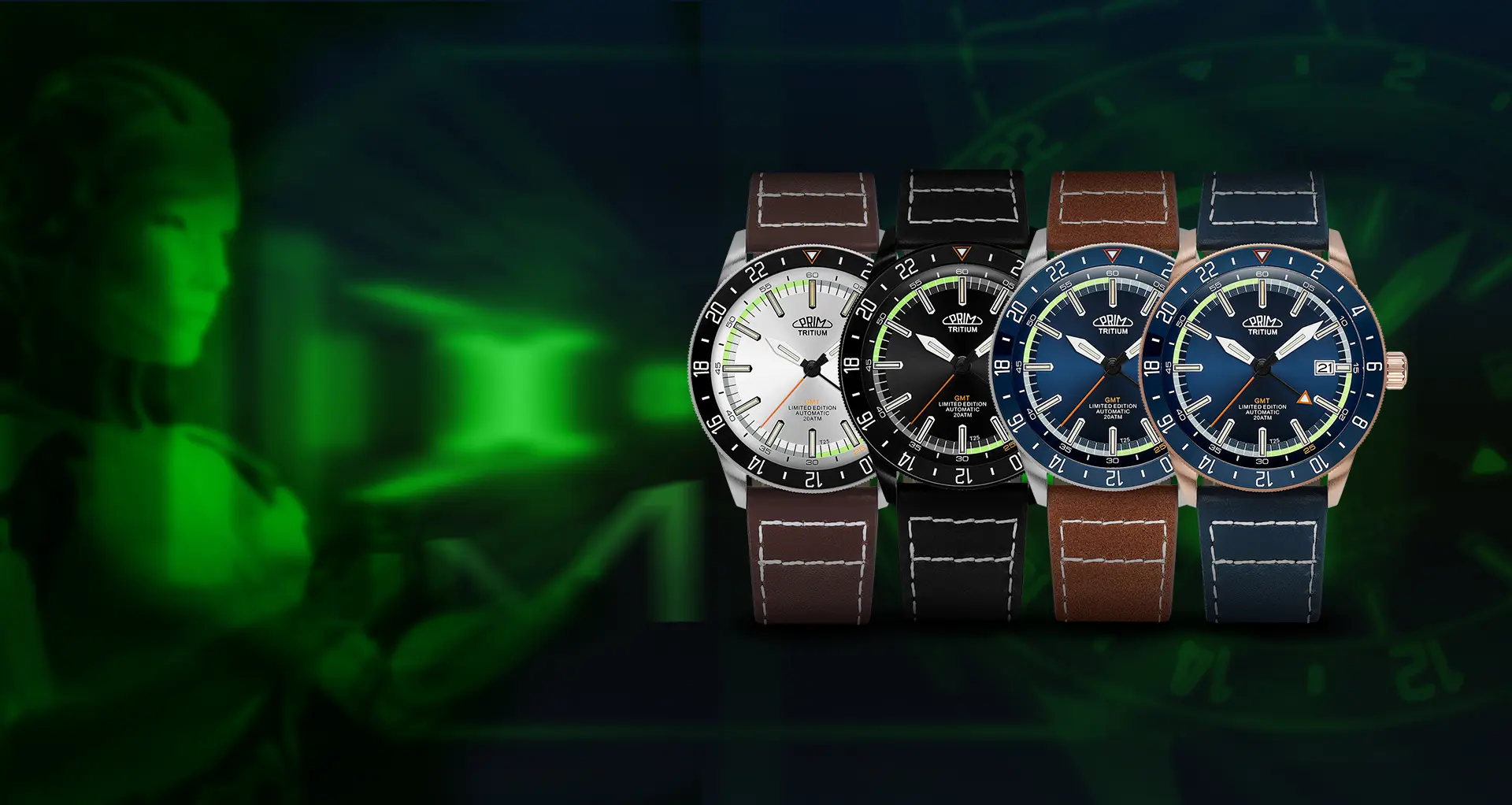
PRIM watch manufacturing technology represents a combination of traditional watchmaking craftsmanship and modern industrial processes. The watches are designed and assembled at the company’s two production facilities in Nové Město nad Metují and Frýdek Místek, enabling rigorous quality control and attention to detail. The PRIM brand stands out for its unique depth of in-house manufacture movement production. At the same time, we use quality Swiss and Japanese calibres. Production thus encompasses both proprietary components and parts supplied by renowned global partners. These partners rank among the most prominent manufacturers of watchmaking components and employ the most advanced technological processes, ensuring a high level of precision, reliability and technical sophistication.
Movement
Types of movements
Mechanical movement
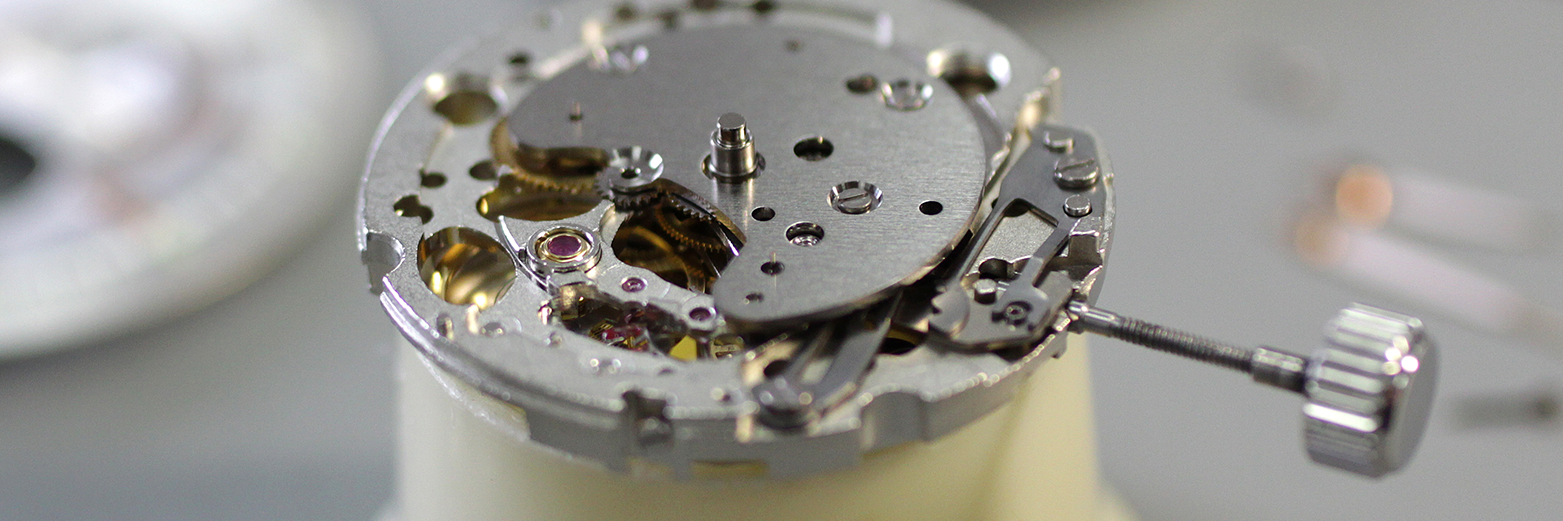
In mechanical movements, we distinguish between manual and automatic winding. Manual winding is done by hand using the crown. The automatic movement winds the mainspring using a rotor weight that turns with the motion of the wrist. An anti-overwind clutch protects the spring. An automatic movement can also be wound manually using the crown at any time.
Automatic – advantages:
1. A fascinating history of mechanics resulting in a perfect machine without electricity
2. Movement longevity
3. When set down, it stops within the power reserve – placing it in an automatic watch winder means your watch will never stop
Quartz movement
Quartz uses a crystal whose frequency controls timekeeping accuracy. It is a battery-powered movement with very small deviations and minimal maintenance. Battery life depends on usage, typically around two years. Once depleted, simply replace the battery.
Quartz – advantages:
1. Exceptional accuracy thanks to crystal frequency
2. Resistance to shocks and vibrations during everyday wear
3. Minimal worry about timekeeping – just replace the battery on time
Mechanical movements – manual winding
PRIM Kalibr 103
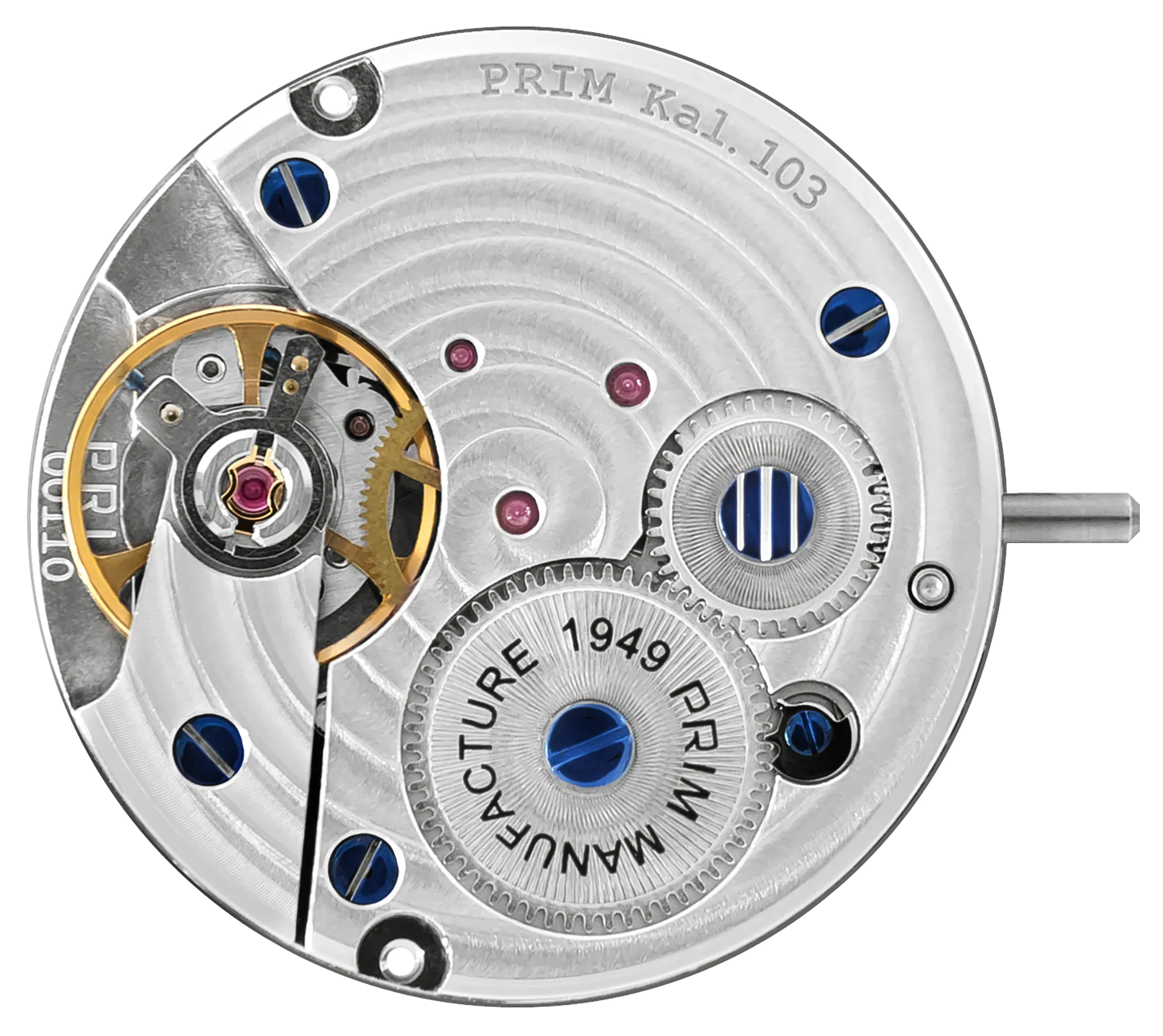
PRIM Calibre 103 is a mechanical hand-wound movement. Its dimensions are 25.6 mm in diameter and 4.3 mm in height. The oscillator operates at a frequency of 21,600 vibrations per hour (3 Hz) and the movement is fitted with 19 jewels. The power reserve reaches a minimum of 48 hours. Time is displayed by three hands – hour, minute and second.
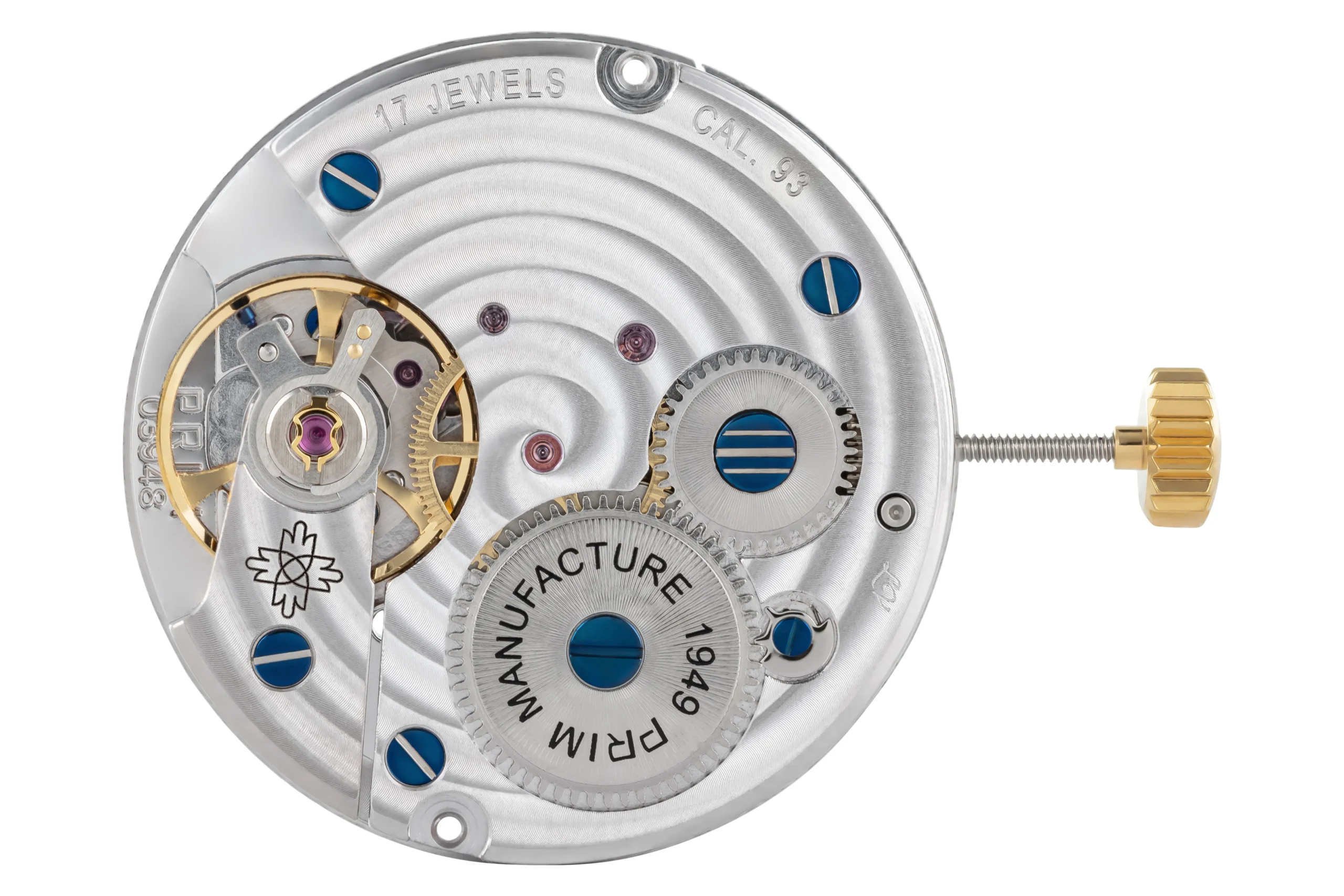
PRIM Kalibr 93
PRIM Calibre 93 is a mechanical hand-wound movement. Its dimensions are 25.6 mm in diameter and 4.3 mm in height. The oscillator operates at a frequency of 21,600 vibrations per hour (3 Hz) and the movement is fitted with 17 jewels. The power reserve reaches a minimum of 48 hours.
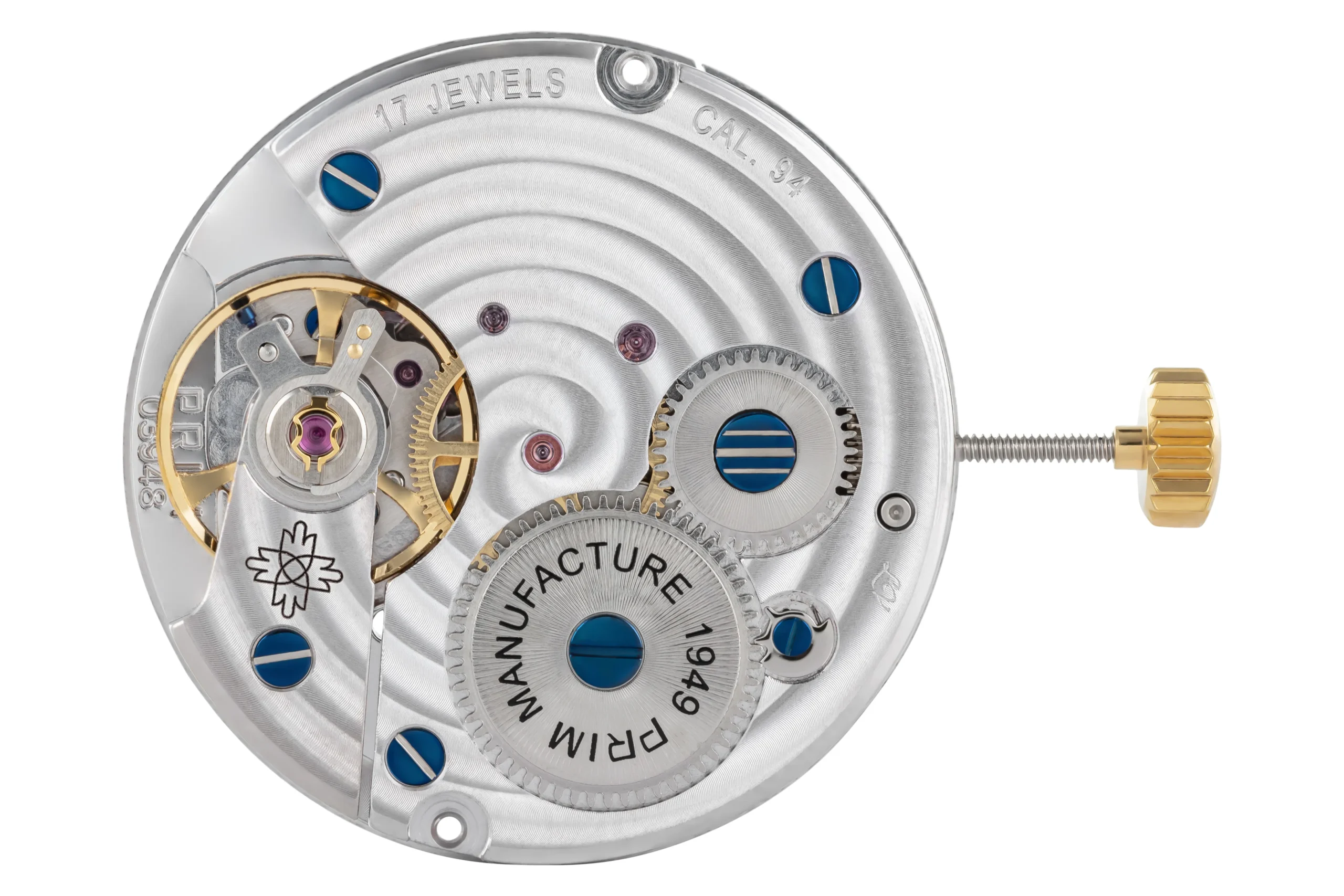
PRIM Kalibr 94
PRIM Calibre 94 is a mechanical hand-wound movement with a diameter of 25.6 mm and a height of 5 mm. The oscillator operates at a frequency of 21,600 vibrations per hour (3 Hz) and the movement is fitted with 17 jewels. The power reserve reaches a minimum of 48 hours.
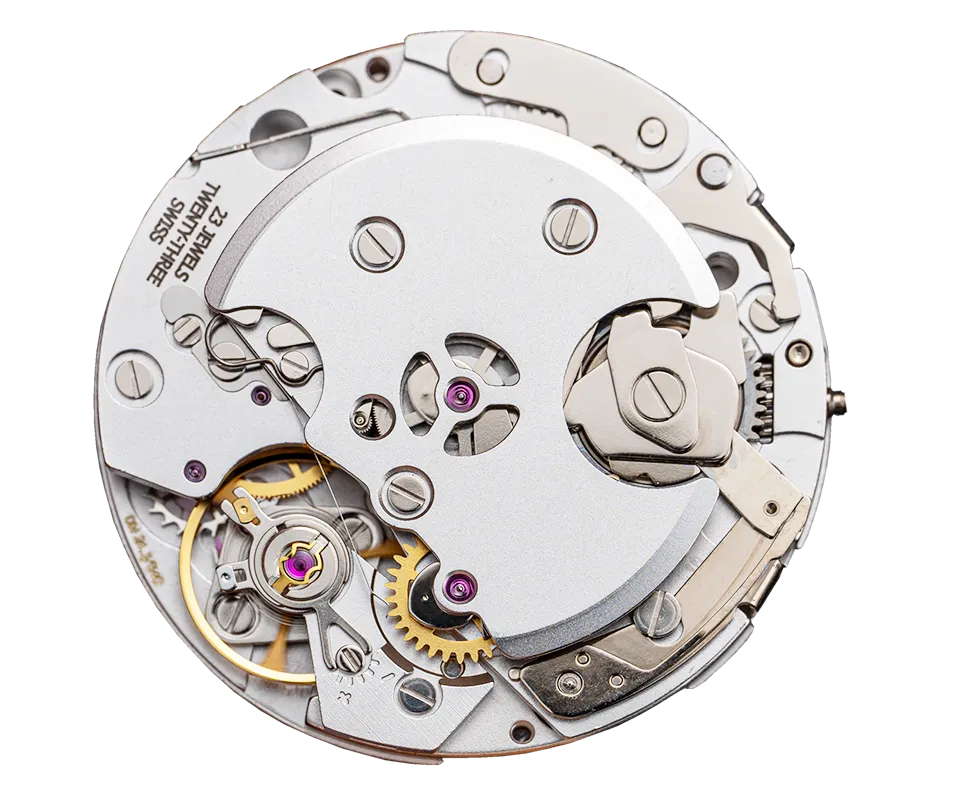
Kalibr 75 (SELLITA 510 M)
Calibre 75 is a mechanical hand-wound movement with a diameter of 30 mm and a height of 7 mm. The oscillator operates at a frequency of 28,800 vibrations per hour (4 Hz) and the movement is fitted with 23 jewels. The power reserve reaches a minimum of 58 hours.
Mechanical movements – automatic winding
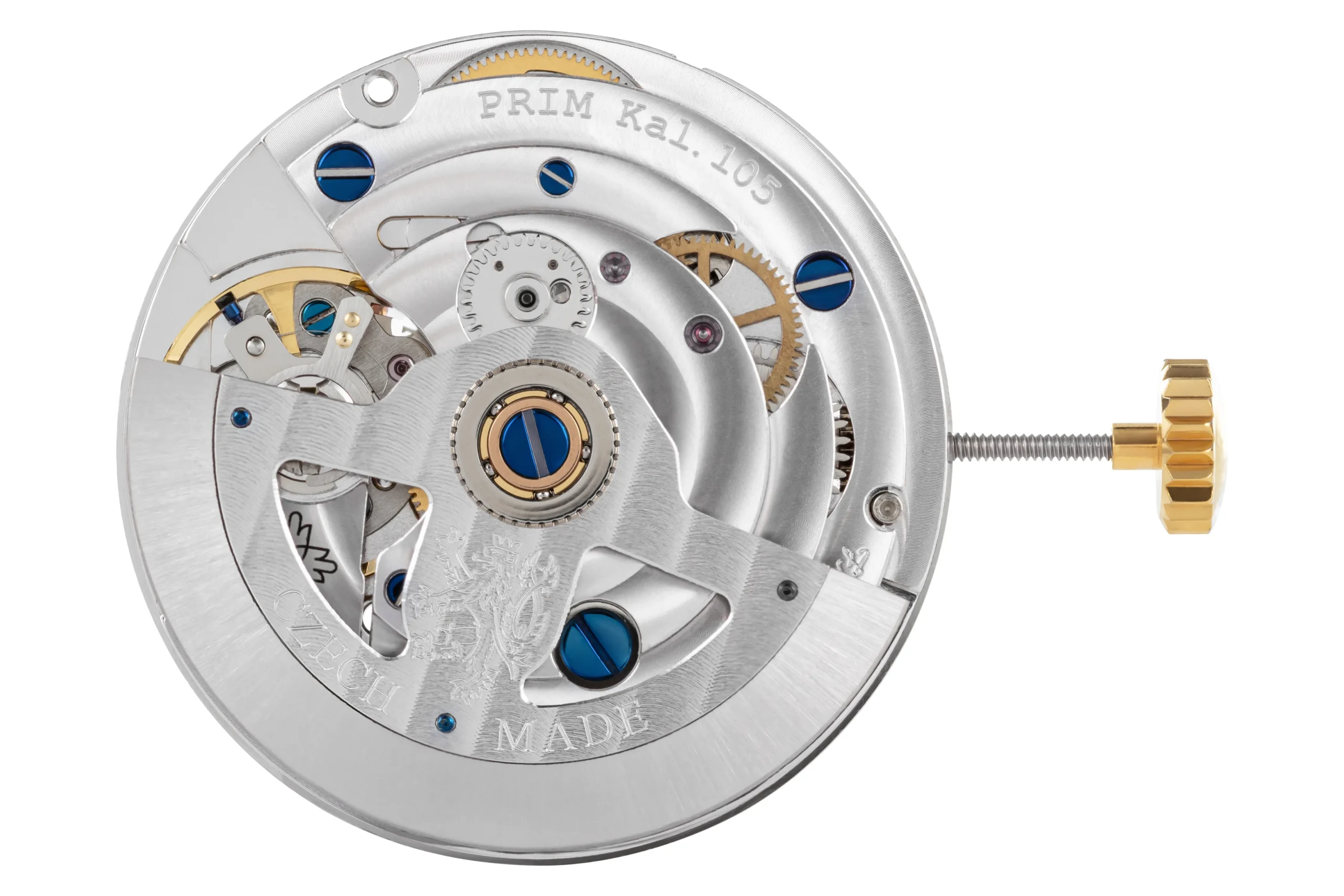
PRIM Kalibr 105
PRIM Calibre 105 is a mechanical automatic movement. It has a diameter of 25.6 mm and a height of 6.3 mm. The oscillator operates at a frequency of 21,600 vibrations per hour (3 Hz) and the movement is fitted with 24 jewels. The power reserve reaches a minimum of 48 hours.
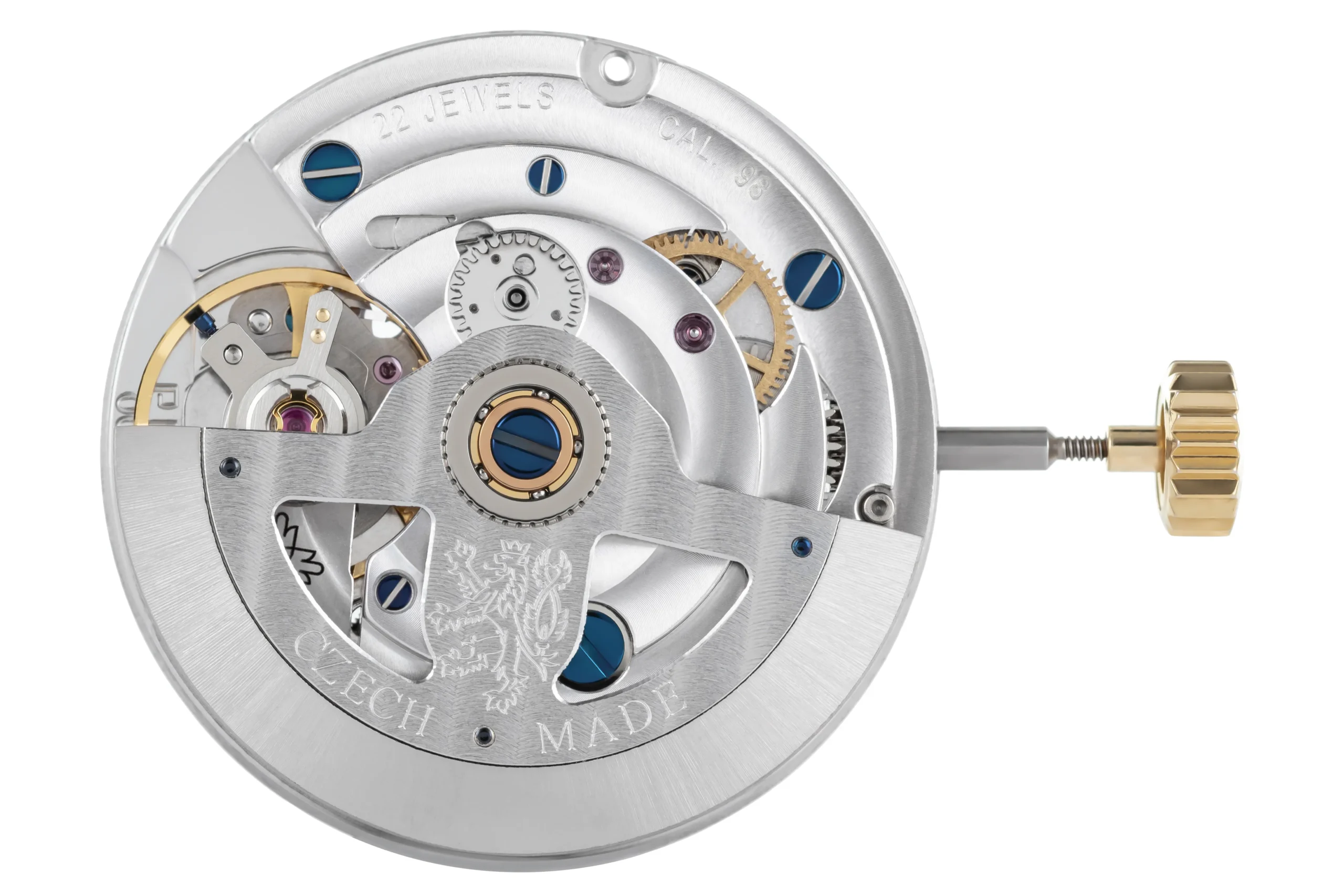
PRIM Kalibr 98.01
PRIM Calibre 98.01 is a mechanical automatic movement. It has a diameter of 29.6 mm and a height of approximately 6.7–7 mm. The oscillator operates at a frequency of 21,600 vibrations per hour (3 Hz) and the movement is fitted with 22 jewels. The power reserve is a minimum of 45 hours.
PRIM Kalibr 98.00
PRIM Calibre 98.00 is a mechanical automatic movement. Its diameter is 25.6 mm and its height is approximately 6.8–7 mm. The oscillator operates at a frequency of 21,600 vibrations per hour (3 Hz) and the movement is fitted with 22 jewels. The power reserve reaches a minimum of 48 hours.
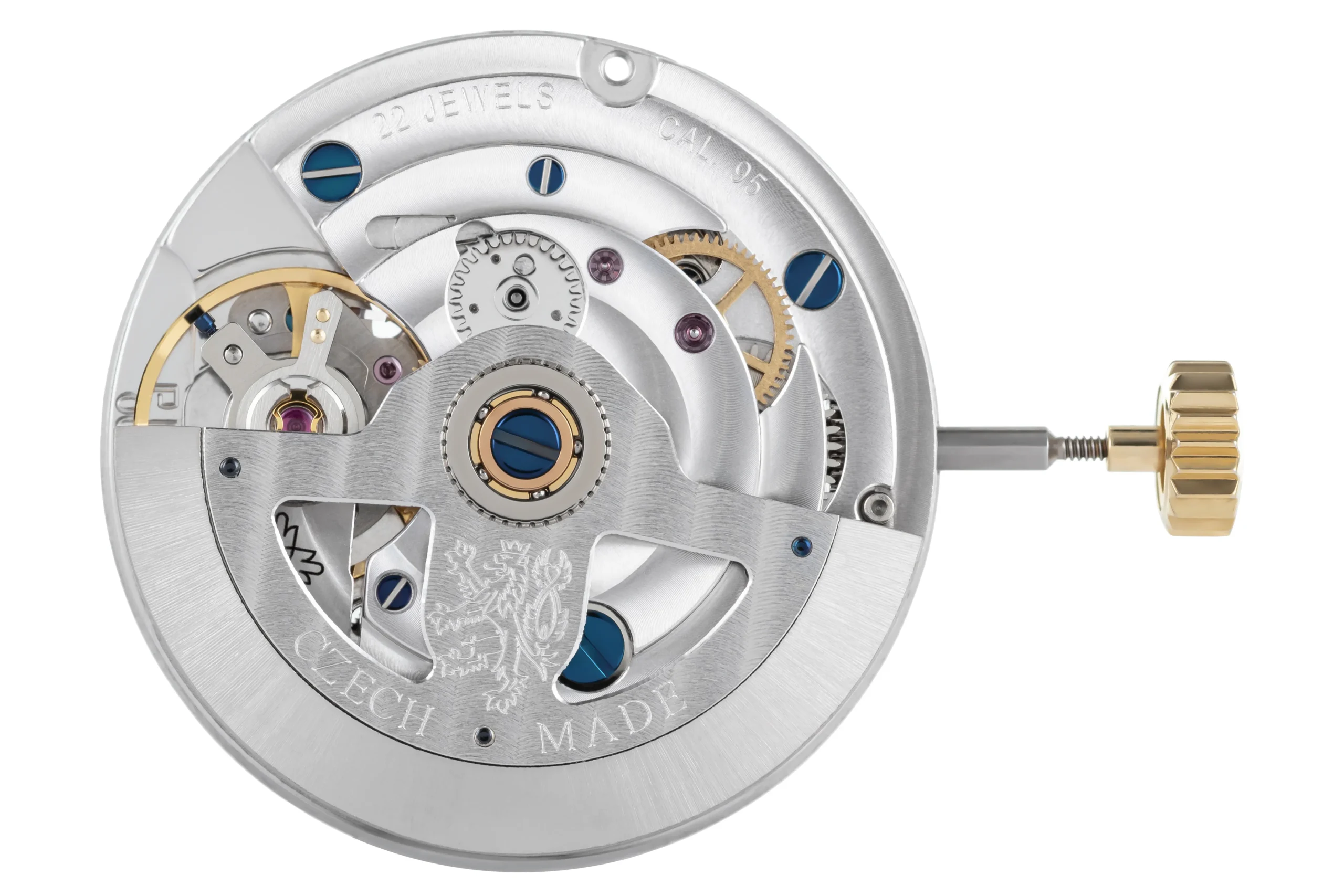
PRIM Kalibr 95
PRIM Calibre 95 is a mechanical automatic movement. Its diameter is 25.6 mm and its height is between 6 and 6.3 mm. The oscillator operates at a frequency of 21,600 vibrations per hour (3 Hz) and the movement is fitted with 22 jewels. The power reserve reaches a minimum of 48 hours.

Kalibr 73 (ETA 2824-2)
Calibre 73 is a mechanical automatic movement with a diameter of 25.6 mm and a height of 4.6 mm. The oscillator operates at a frequency of 28,800 vibrations per hour (4 Hz) and the movement is fitted with 25 jewels. The power reserve reaches a minimum of 38 hours.

Kalibr 77.51 (ETA 7751)
Calibre 77.51 is a mechanical automatic movement with a diameter of 30 mm and a height of 7.9 mm. The oscillator operates at a frequency of 28,800 vibrations per hour (4 Hz) and the movement is fitted with 25 jewels. The power reserve reaches a minimum of 48 hours. In addition to the basic hour and minute hands, this calibre features a chronograph function.
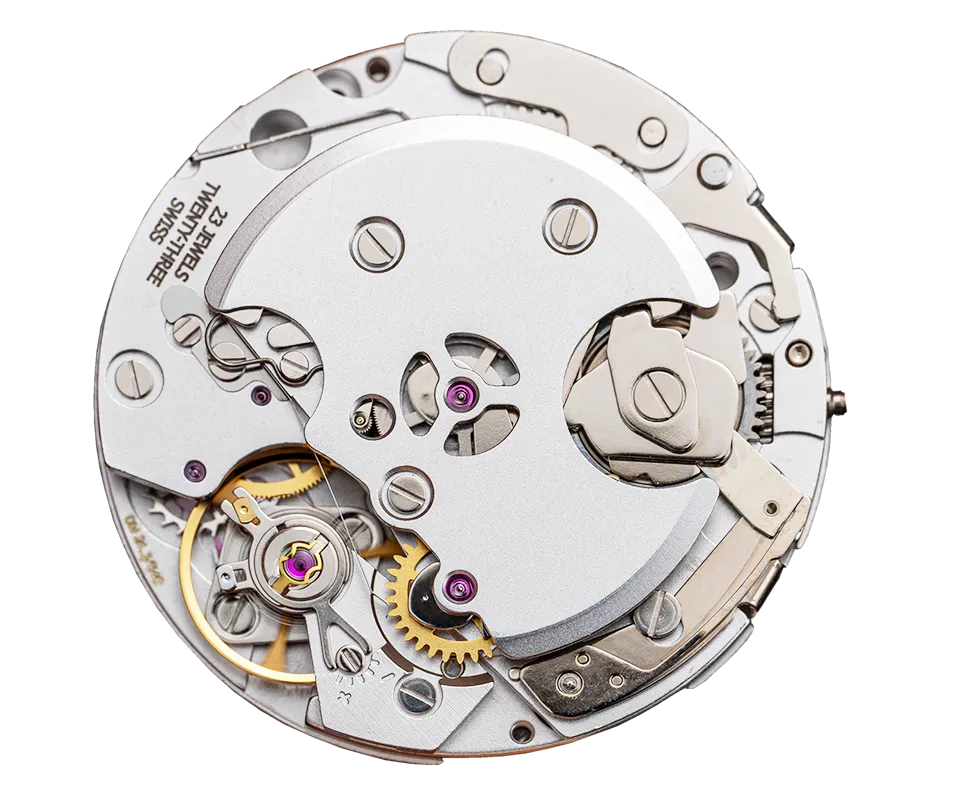
Kalibr 75 (SELLITA 510 M)
Calibre 75 is a mechanical hand-wound movement with a diameter of 30 mm and a height of 7 mm. The oscillator operates at a frequency of 28,800 vibrations per hour (4 Hz) and the movement is fitted with 23 jewels. The power reserve reaches a minimum of 58 hours.
Swiss quartz movements
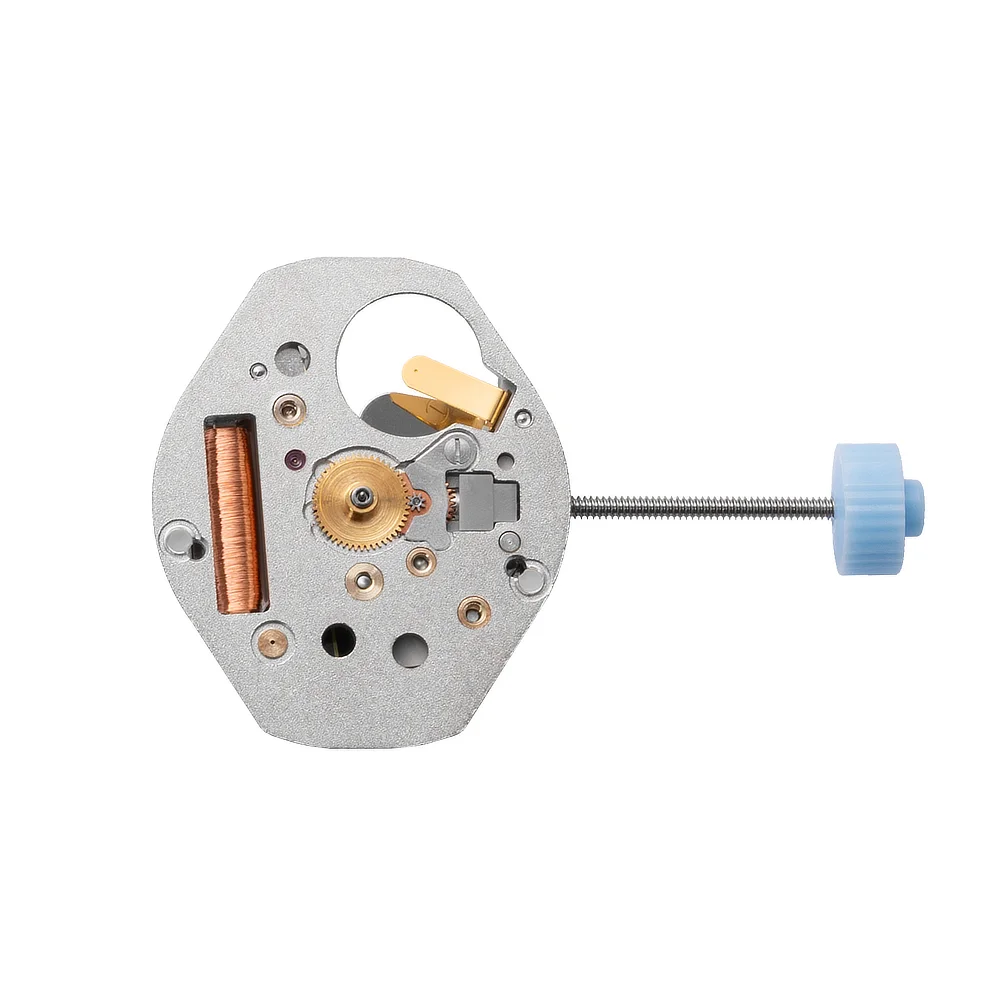
Kalibr 39 (RONDA 763)
Calibre 39 is a quartz (battery) movement measuring 15.3 × 17.8 × 2.65 mm. It is fitted with 5 jewels and uses a 364 type battery. Time is displayed by three hands – hour, minute and second.
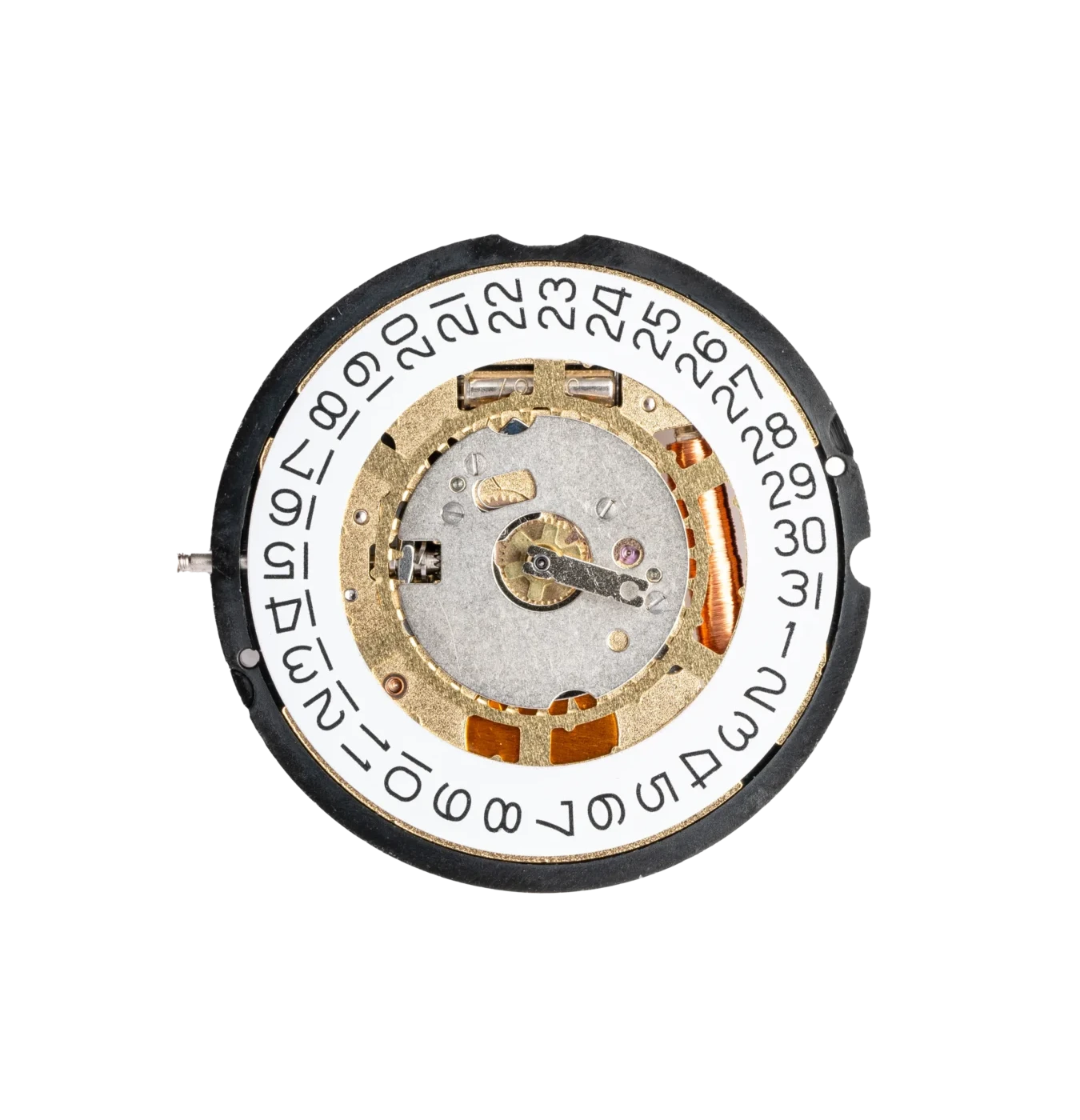
Kalibr 38 (RONDA 715)
Calibre 38 is a quartz (battery) movement with a diameter of 25.6 mm and a height of 2.75 mm. It is fitted with 5 jewels and uses a 371 type battery. Time is displayed by three hands and supplemented with a date indicator.
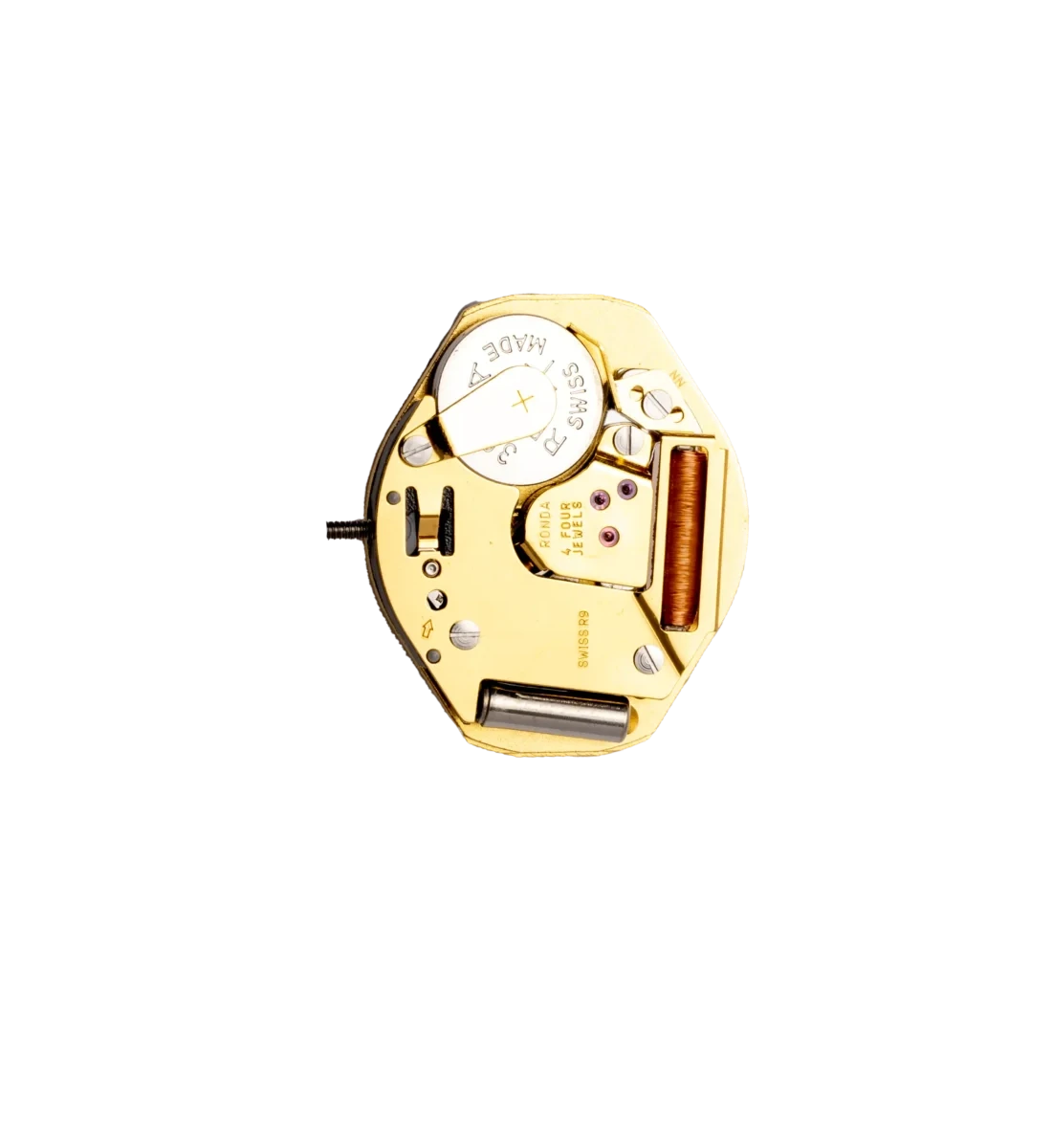
Kalibr 37 (RONDA 762)
Calibre 37 is a quartz (battery) movement measuring 15.3 × 17.8 × 2.65 mm. It is fitted with 4 jewels and uses a 364 type battery. Time is displayed by two hands – hour and minute.

Kalibr 48 (ETA F06.412)
Calibre 48 is a quartz (battery) movement measuring 25.6 × 2.5 mm. It is fitted with 3 jewels and uses a Renata 371 battery. Time is displayed by three hands and the movement also features a date indicator.
Types of complications
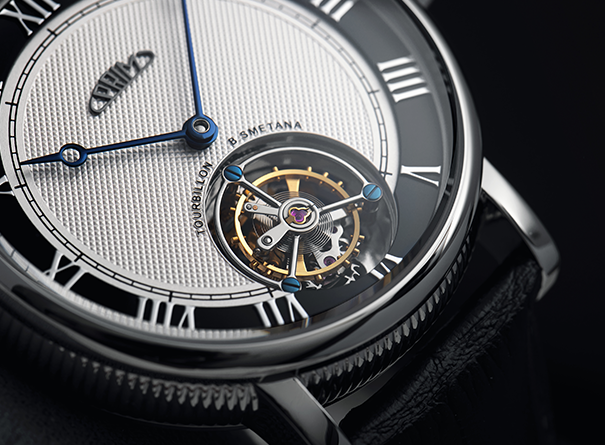
Tourbillon
The royal watchmaking complication – Tourbillon. The tourbillon is a mechanism that compensates for the effect of Earth’s gravity on watch accuracy. It is a mechanical anchor mechanism placed inside a moving platform with a balance wheel at the centre, rotating around its own axis once per minute.
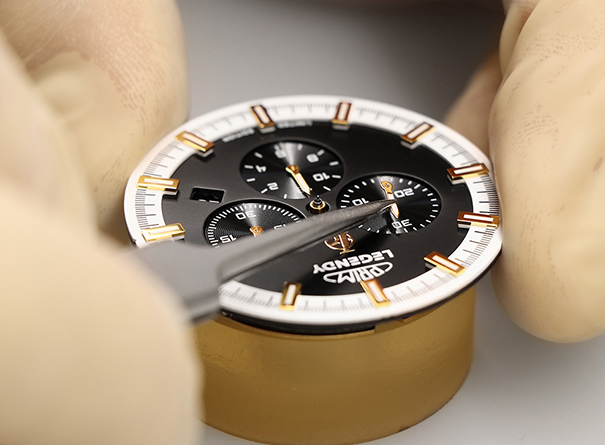
Chronograph
The chronograph function is one of the most popular watchmaking complications or additional functions, and its execution is often interesting from an aesthetic point of view as well. The word chronograph literally means time writer and refers to a mechanism that allows measuring elapsed time intervals.
Movement brands
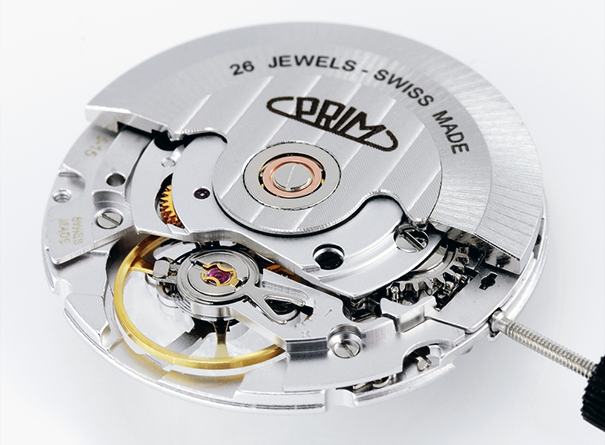
PRIM
– in collaboration with a Swiss manufacturer
Collaboration with a company that produces movements for companies such as Fossil Group has opened the door to enormous possibilities. We offer you originality and quality found in world brands and now also in PRIM watches. In 2006, a small group of entrepreneurs began developing own movements, combining Swiss precision with Czech design tradition.
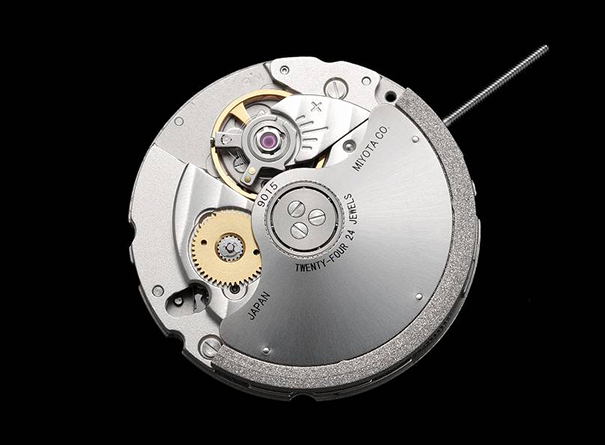
Citizen Miyota Japan
Citizen, founded in 1918, is among the largest and most recognized leading world manufacturers of watches, fine mechanics and electronics (calibres under another brand name always carry the Miyota designation).
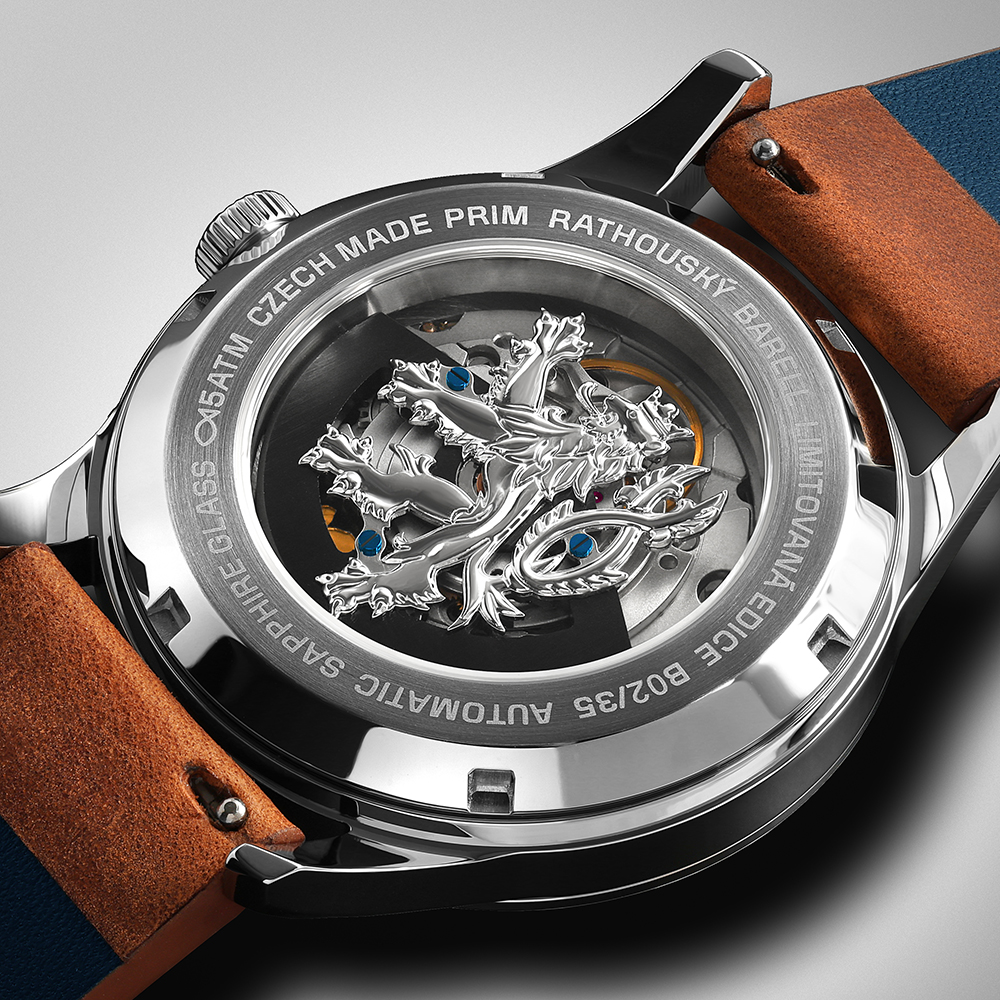
Valanvron Swiss made
A Swiss manufacture producing quality mechanical movements bearing the Swiss Made designation. The company’s motto: we combine quality, advanced technology and mechanics with Swiss craftsmanship.
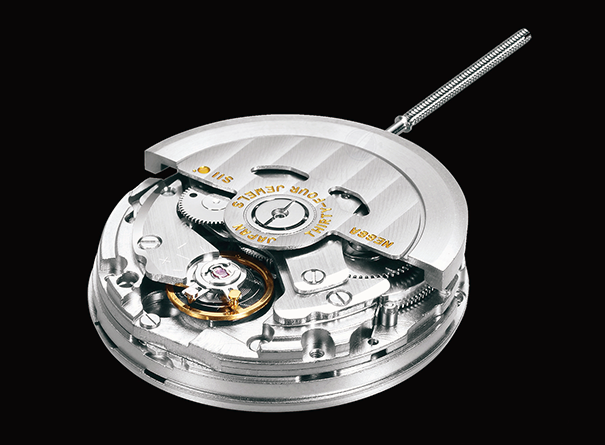
Seiko – TMI Japan
In 1881, Kintarō Hattori founded the company. Seiko is one of the few fully integrated watch manufacturers that designs and develops its own calibres using cutting-edge technologies. Under the Seiko brand, innovative solutions for electronic watches were introduced; in 1969, the first quartz watches were presented.
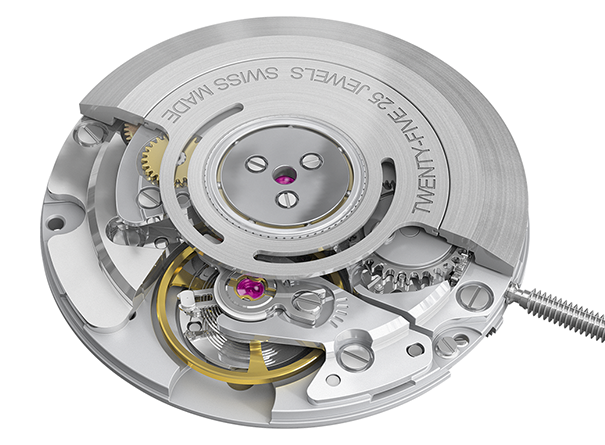
Ronda Swiss Made
Ronda is an independent Swiss watch movement manufacture with production facilities in Switzerland and Asia. They produce highly quality quartz and mechanical movements that are continuously developed. That is one of the reasons why they are used as partners by many world brands, including us.
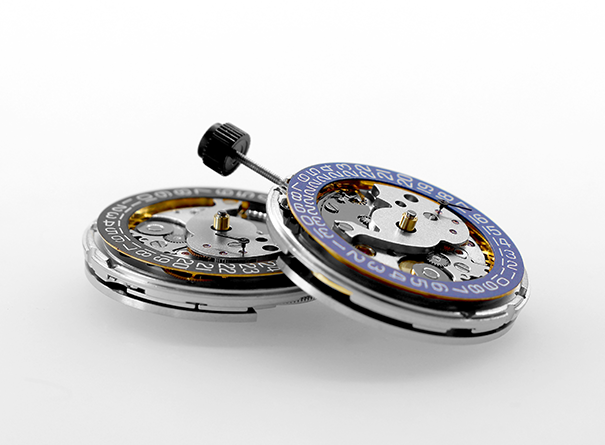
Sellita
– in collaboration with a leading Swiss manufacturer
A Swiss company founded in 1950 in La Chaux-de-Fonds. The company has a long tradition in assembly, design and production of quality mechanical movements. Over the years, Sellita has become an important pillar of the Swiss watchmaking industry.
Proud of its independence, Sellita serves all brands and treats all its clients on equal terms. Aware of the need to work for clients who are sometimes competitors, Sellita maintains the strictest confidentiality to best protect the interests of its various clients. Sellita is constantly committed to responding to the specific needs and expectations of each client. That is why we greatly value the collaboration with this company.
Case materials
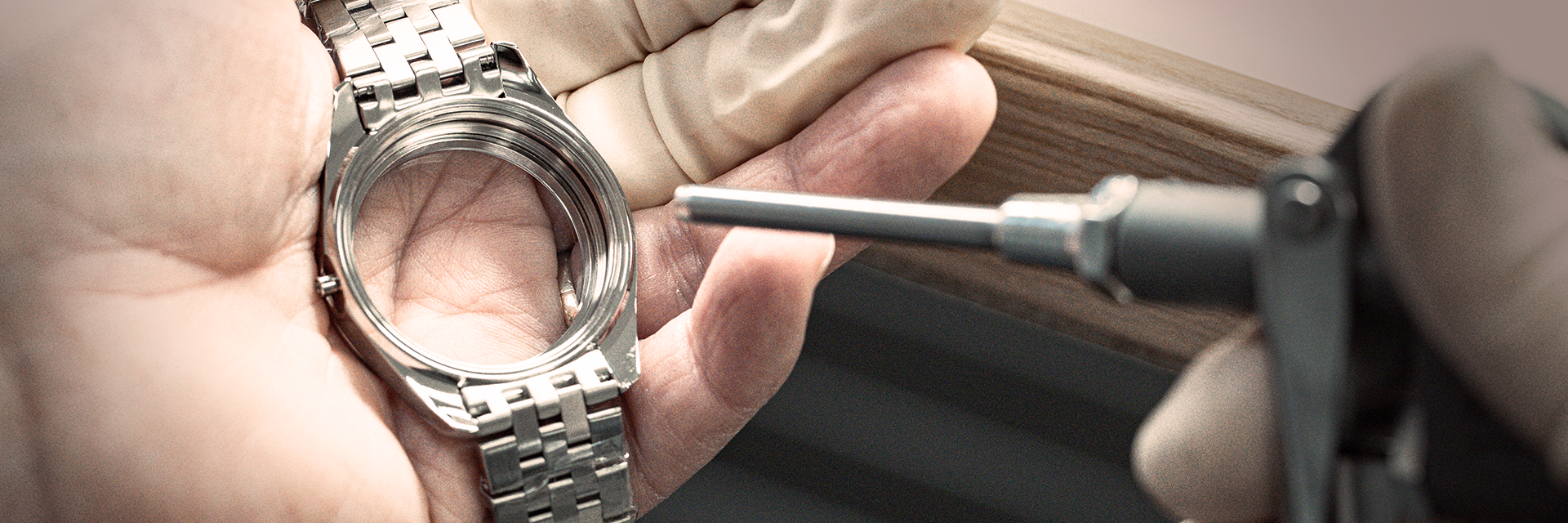
Types of materials
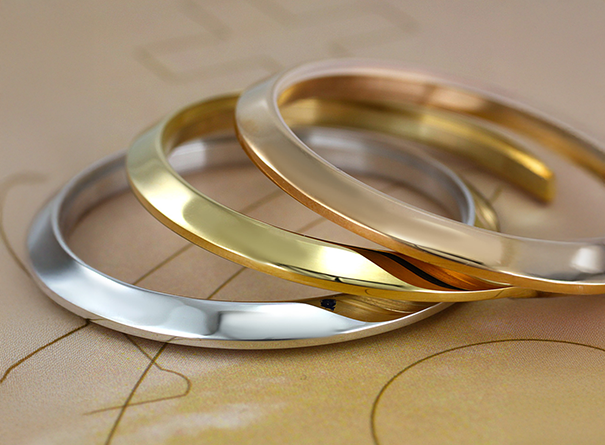
Gold
Gold is among the traditional materials used primarily in luxury and dress models. It is characterised by high density, which gives it a distinctive and valuable feel on the wrist. In watchmaking, it is used in the form of alloys whose fineness is expressed in carats. A gold case lends the watch a distinguished character and emphasises its exclusivity as well as its investment and aesthetic potential.
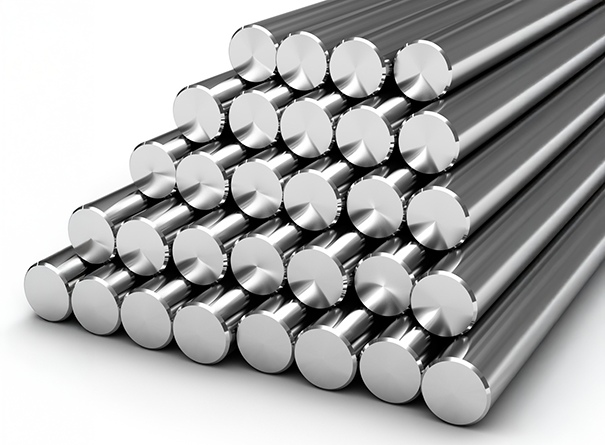
Titanium
Titanium is the ideal choice for everyday and sports watches. It is approximately one-third lighter than steel, which significantly increases wearing comfort. At the same time, it is hypoallergenic, colour-stable and highly corrosion-resistant. Thanks to its properties, it is also used in aviation and medicine. After surface treatment, it can resemble steel in appearance while retaining its characteristic lightness. In our manufacture models, we use Titanium Grade 5 with outstanding technical properties.
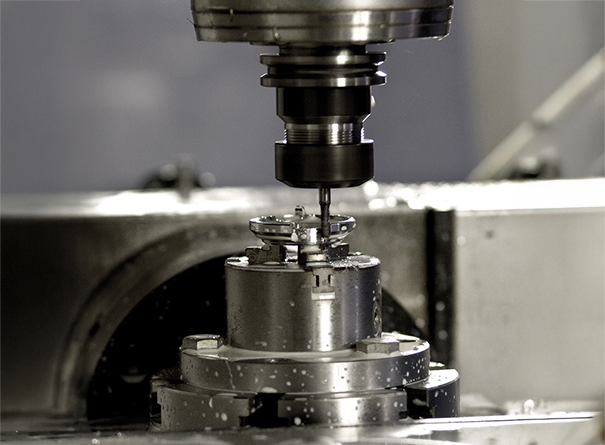
316L Steel
The most widely used material in watchmaking, offering an ideal balance between durability, aesthetics and price. 316L steel is strong, hard and corrosion-resistant, making it a reliable material for everyday wear. It allows a wide range of surface finishes – from a high polish to fine brushing – and is also suitable for more sensitive skin.
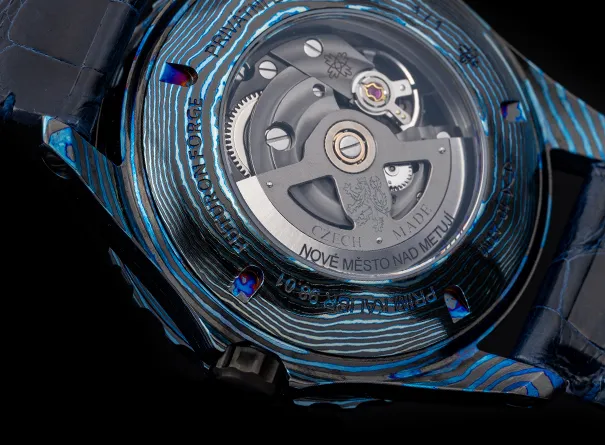
Damascus steel
Damascus is a specific material created by combining different types of steel that are layered and forged into characteristic patterns. Each case is therefore original and bears a unique pattern. This material combines traditional craftsmanship with a striking visual effect.
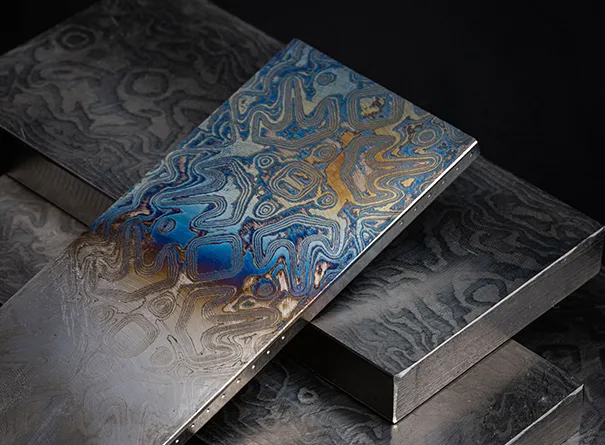
Zirconium – Titanium
A modern composite material combining the lightness of titanium and the hardness of zirconium. It features high corrosion resistance and hypoallergenic properties. Thanks to its layered structure, it creates a unique surface that is always original and cannot be fully replicated.
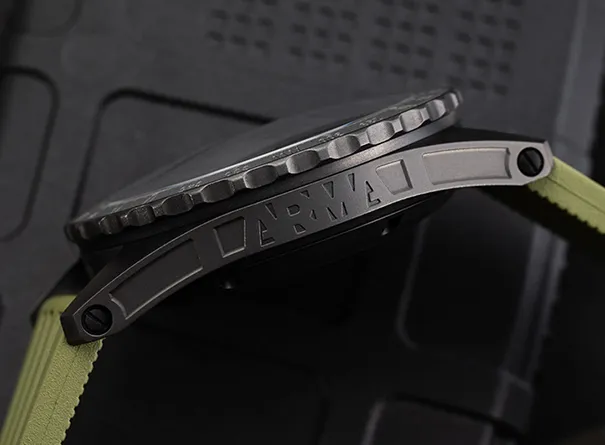
Titanium Grade 5
A light, exceptionally durable and hypoallergenic material used in aviation, aerospace and modern medicine. It is designed for maximum reliability even in extreme conditions and represents one of the most technologically advanced constructions in PRIM’s history.

Bronze
Bronze is a material with character that naturally changes over time. A patina develops on its surface, protecting the material while giving each piece a unique appearance. Bronze watches gradually acquire a distinctive character that reflects how they are worn.
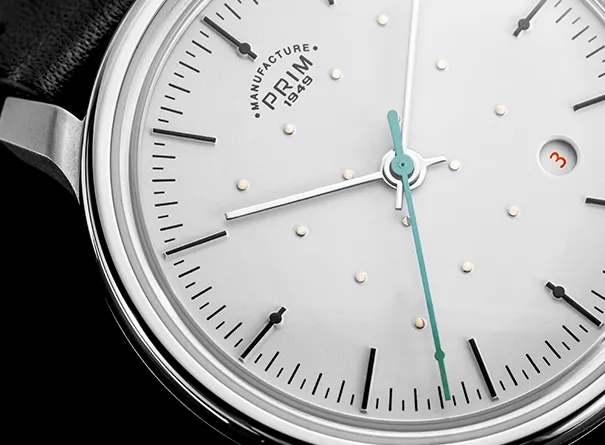
Platinum
Platinum is a rare and very dense metal that stands out for its high corrosion resistance and long-term stability. On the wrist, it makes a striking and luxurious impression thanks to its bright white lustre. Due to its value and exclusivity, platinum watches are often perceived not just as an accessory but also as an investment piece.
Hallmarks
Surface treatments
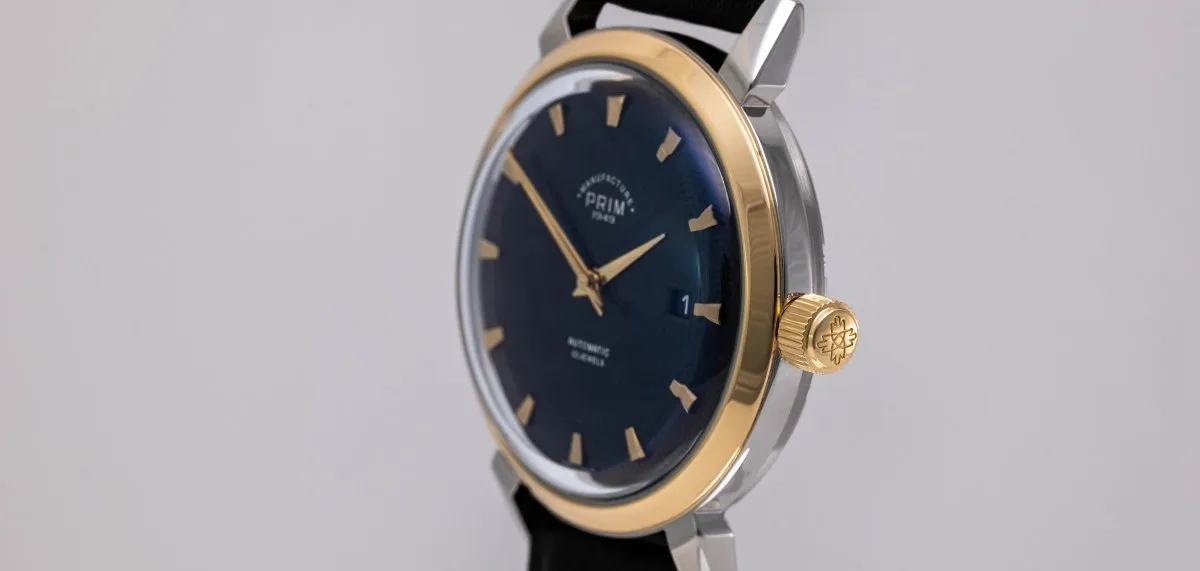
In addition to classic treatments, we now use modern surface treatment methods such as PVD and DLC coatings in various colour variants. Gold plating is achieved using IPG technology, which delivers high durability and aesthetic quality. The same method produces other shades, for example IPGR rose gold plating or IPB black finish in matte or gloss variants.
Selected models place emphasis on manual work and traditional craftsmanship. For example, hand-polishing the case of the Pavouk model takes more than one work shift. Every detail is carefully worked, resulting in a thoughtful combination of polished, brushed and finely sandblasted surfaces. This combination of finishes creates a characteristic play of light, giving the watch a lively and changing appearance depending on the angle of light.
Many watches feature an ingenious combination of brushed and polished surfaces. It is precisely this combination of different surface treatments that creates the resulting effect known as a play of light – subtle reflections and transitions of light that change depending on the angle of incidence. The watch thus does not appear static but instead responds dynamically to its surroundings. This visual effect is the result of precise manual work that cannot be fully replaced by automated production and represents one of the hallmarks of PRIM’s craft quality.
Crystals
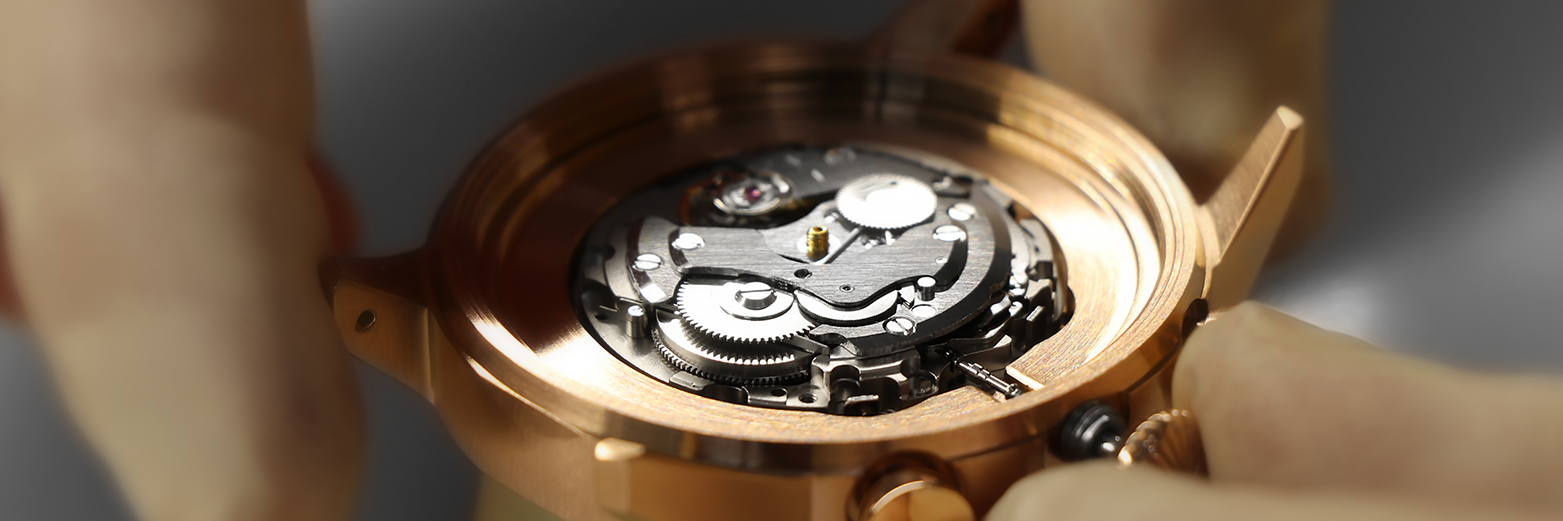
PRIM watches place particular emphasis on the use of sapphire crystals, which represent a more technologically advanced solution. Sapphire glass, made from synthetic corundum, features exceptional scratch resistance and achieves a hardness of 9 on the Mohs scale, placing it just behind diamond. Thanks to this property, it retains its clear appearance over the long term even with everyday wear. Selected models are additionally fitted with an anti-reflective coating that significantly improves dial legibility by reducing unwanted reflections.
When renovating historical or vintage models, acrylic glass may also be encountered. This material was commonly used in the past due to its flexibility and shatter resistance. Its advantage also lies in the ease of polishing out minor scratches, allowing the original appearance to be restored even after extended use.
The choice of crystal type always depends on the character of the given model, with the priority remaining a combination of durability, functionality and aesthetic quality.
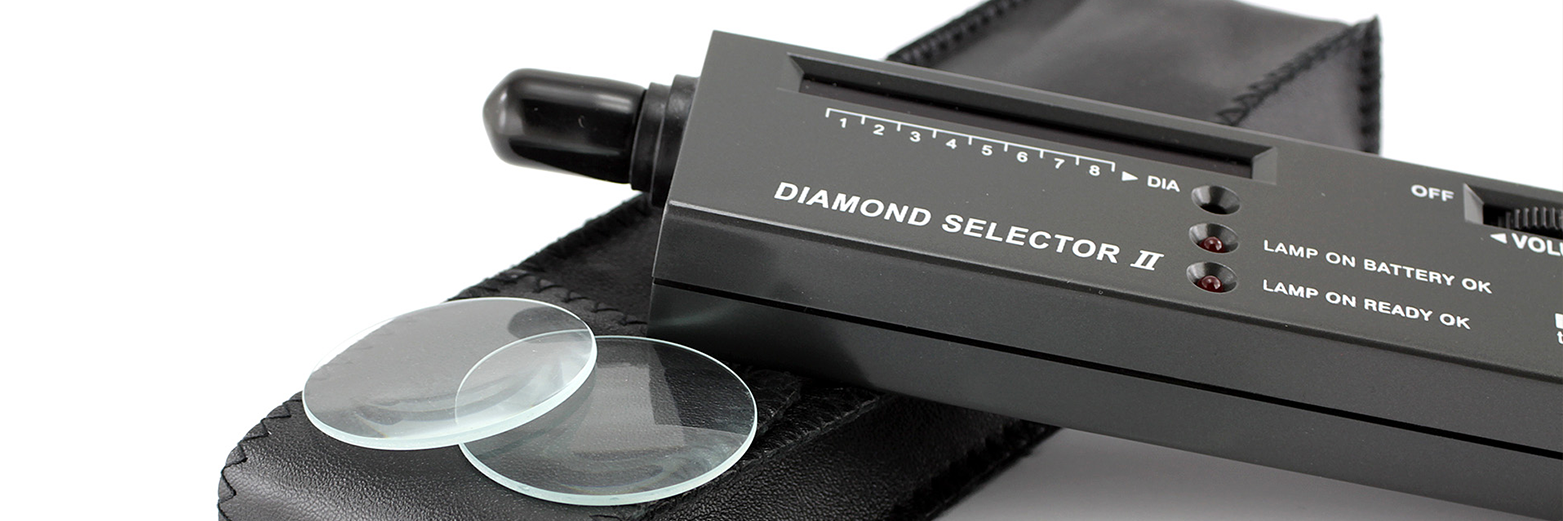
Types of crystals
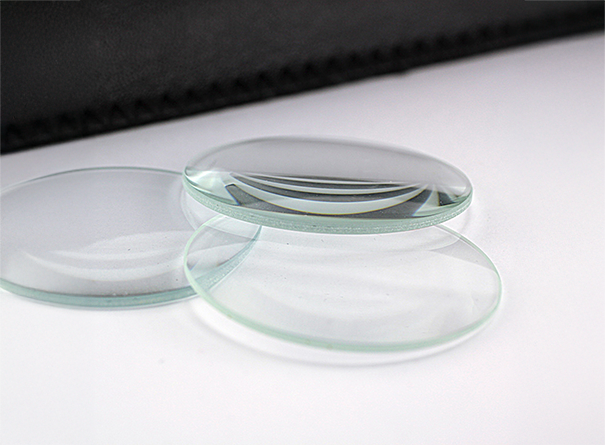
Mineral glass
Mineral glass is used particularly in models where the emphasis is on a balanced ratio between price and durability. Compared to sapphire glass, it is less scratch-resistant; on the other hand, it better withstands impacts and is technologically less demanding to produce and process.
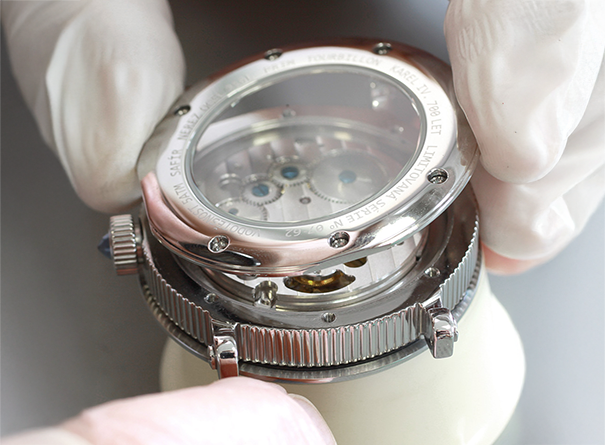
Sapphire glass
PRIM watches place particular emphasis on the use of sapphire crystals, which represent a more technologically advanced solution. Sapphire glass, made from synthetic corundum, features exceptional scratch resistance and achieves a hardness of 9 on the Mohs scale, placing it just behind diamond. Thanks to this property, it retains its clear appearance over the long term even with everyday wear. Selected models are additionally fitted with an anti-reflective coating that significantly improves dial legibility by reducing unwanted reflections.
When renovating historical or vintage models, acrylic glass may also be encountered. This material was commonly used in the past due to its flexibility and shatter resistance. Its advantage also lies in the ease of polishing out minor scratches, allowing the original appearance to be restored even after extended use.
Water resistance