

















Watch care and maintenance
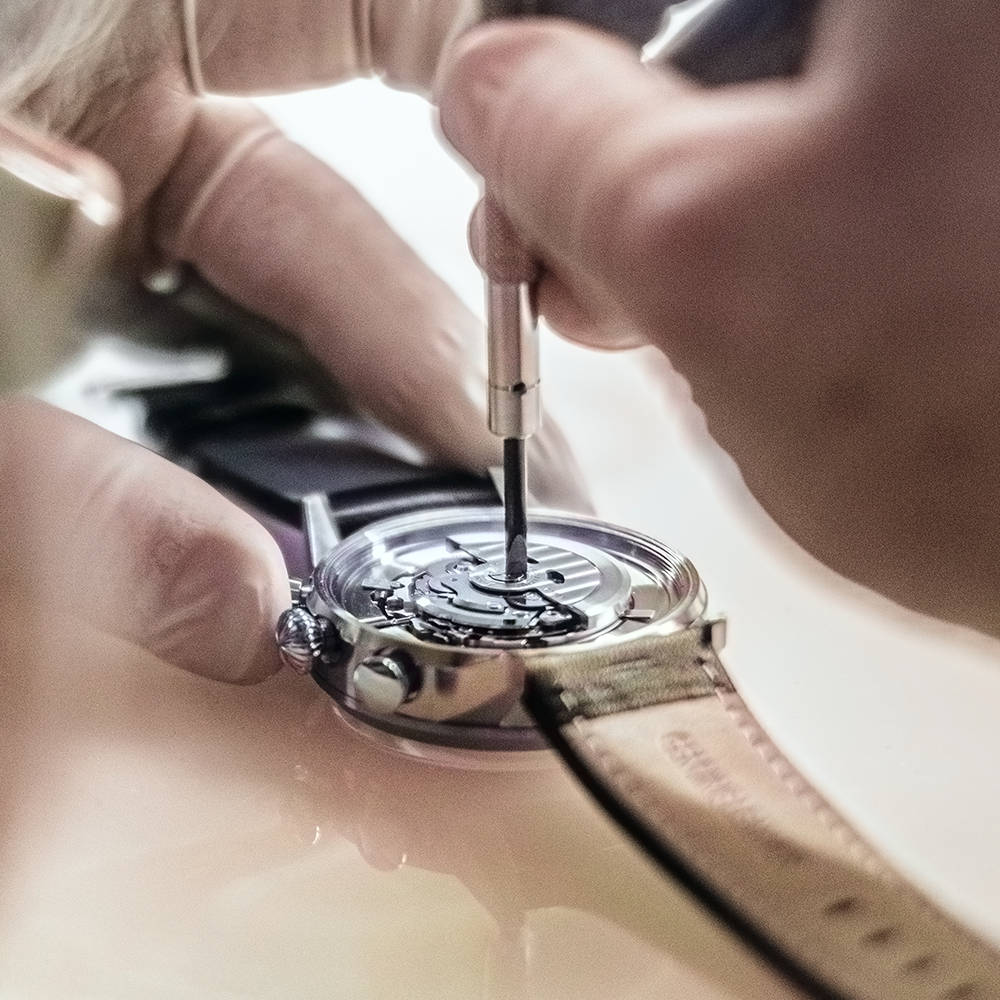
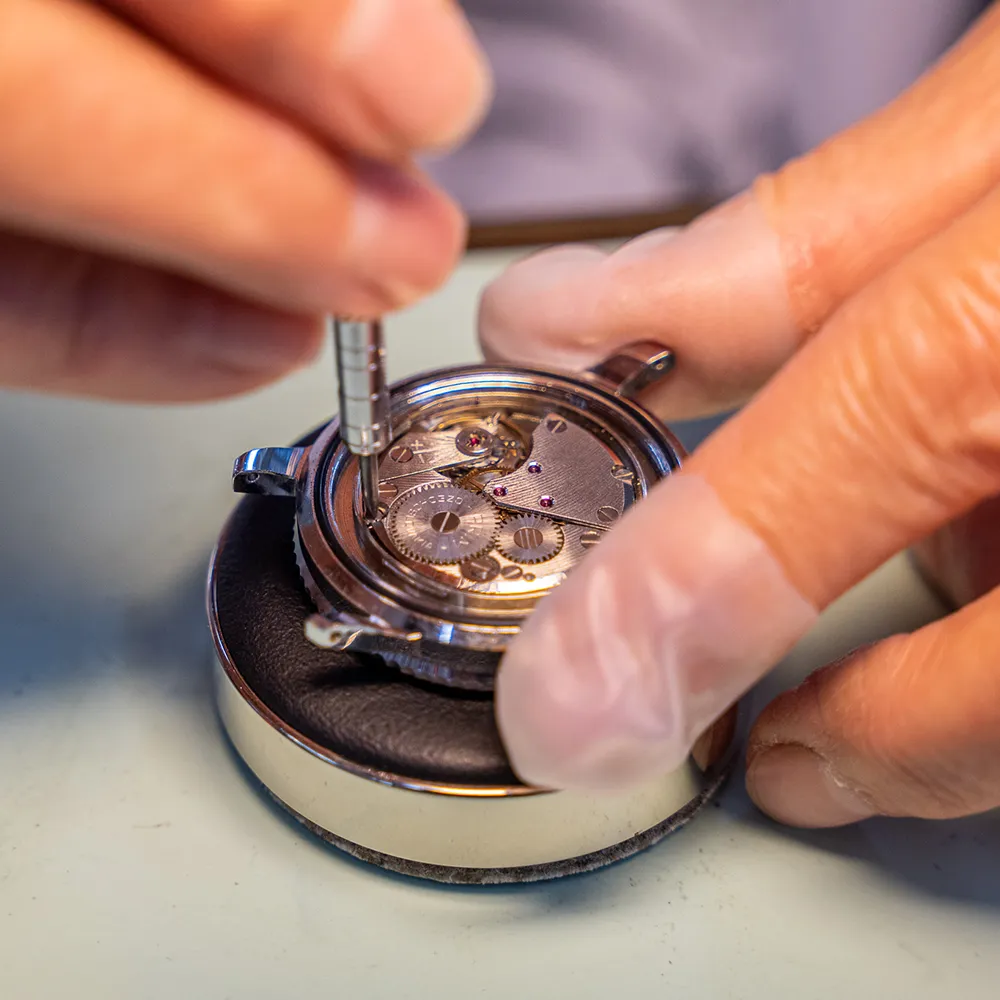
BASIC WATCH CARE RULES:keep your watch cleanvisit a service centre regularly to verify water resistancehave the automatic movement cleaned and the oil replaced regularly (performed as part of a complete service)use only authorised PRIM service centres for servicing
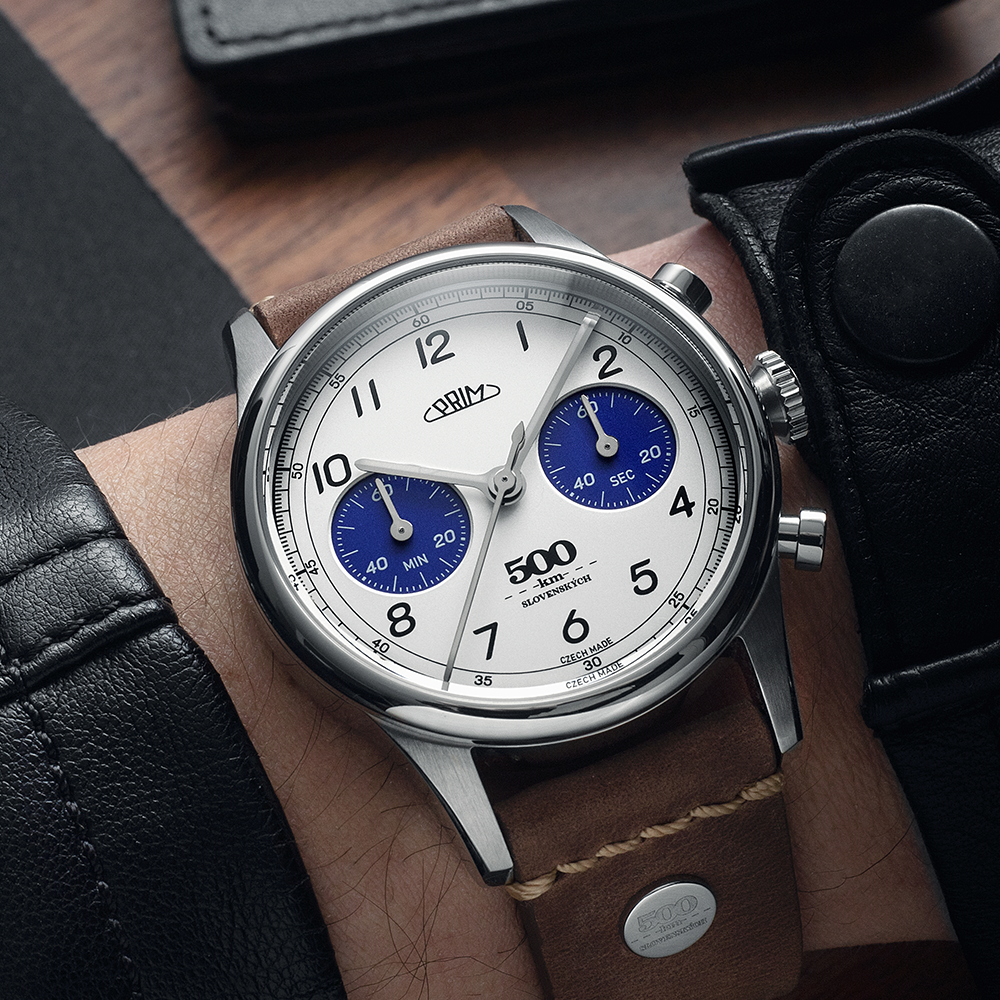
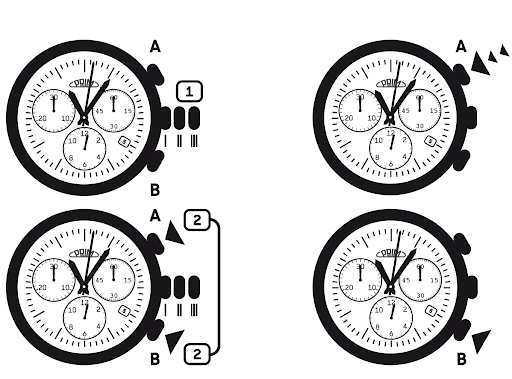
CHRONOGRAPH RESET Resetting chronograph hands to zero position Example: One of the chronograph hands is not at the zero position and needs to be adjusted (e.g. after a battery replacement) Pull the crown to position III Press and hold the button at 2 o’clock for 2 seconds until the second hand moves Release the button and press it again to move the hand to zero Repeat for other hands
Water resistance
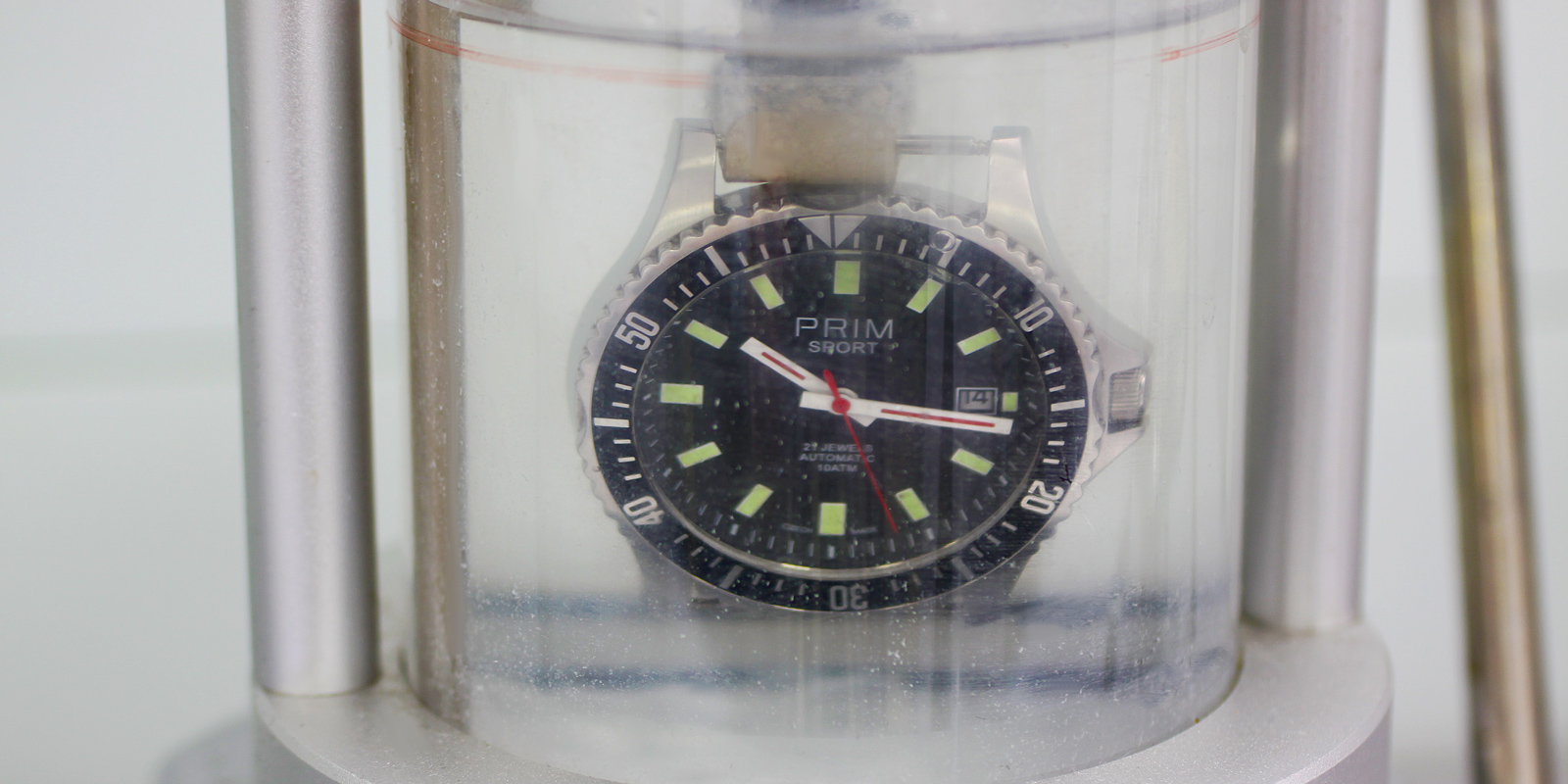
Water resistance indicates the ability of the watch case to prevent moisture and water from entering. PRIM watches are divided into groups according to their level of water resistance. The individual levels, including a description of where each type can be used, are listed in the table below.
Tabulka voděodolnosti
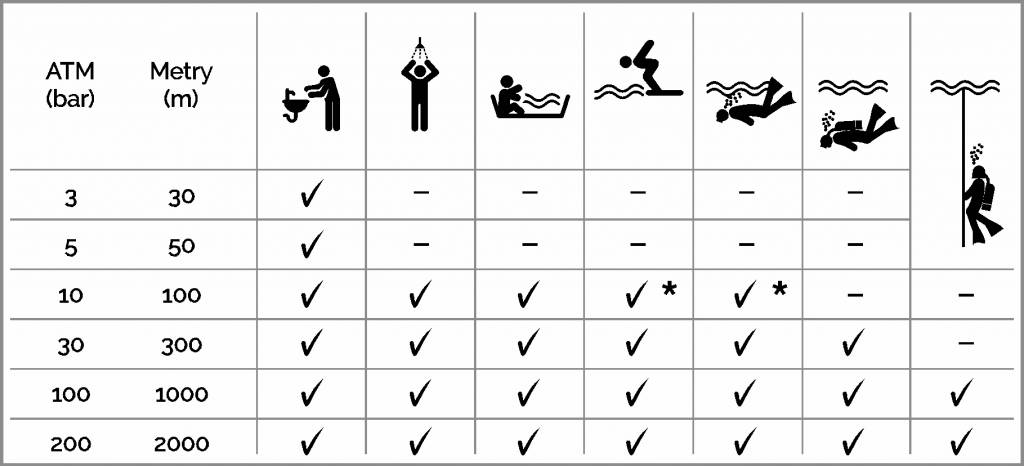
* models without a screw-down crown are recommended only for showering and occasional surface swimming; for regular swimming, we recommend only models with a screw-down crown
Using your watch in water
With water-resistant watches, it is important to always have the crown pushed in when in contact with water, and never operate the buttons or the crown under water. Watches with a screw-down crown – the crown must always be firmly screwed in before contact with water.
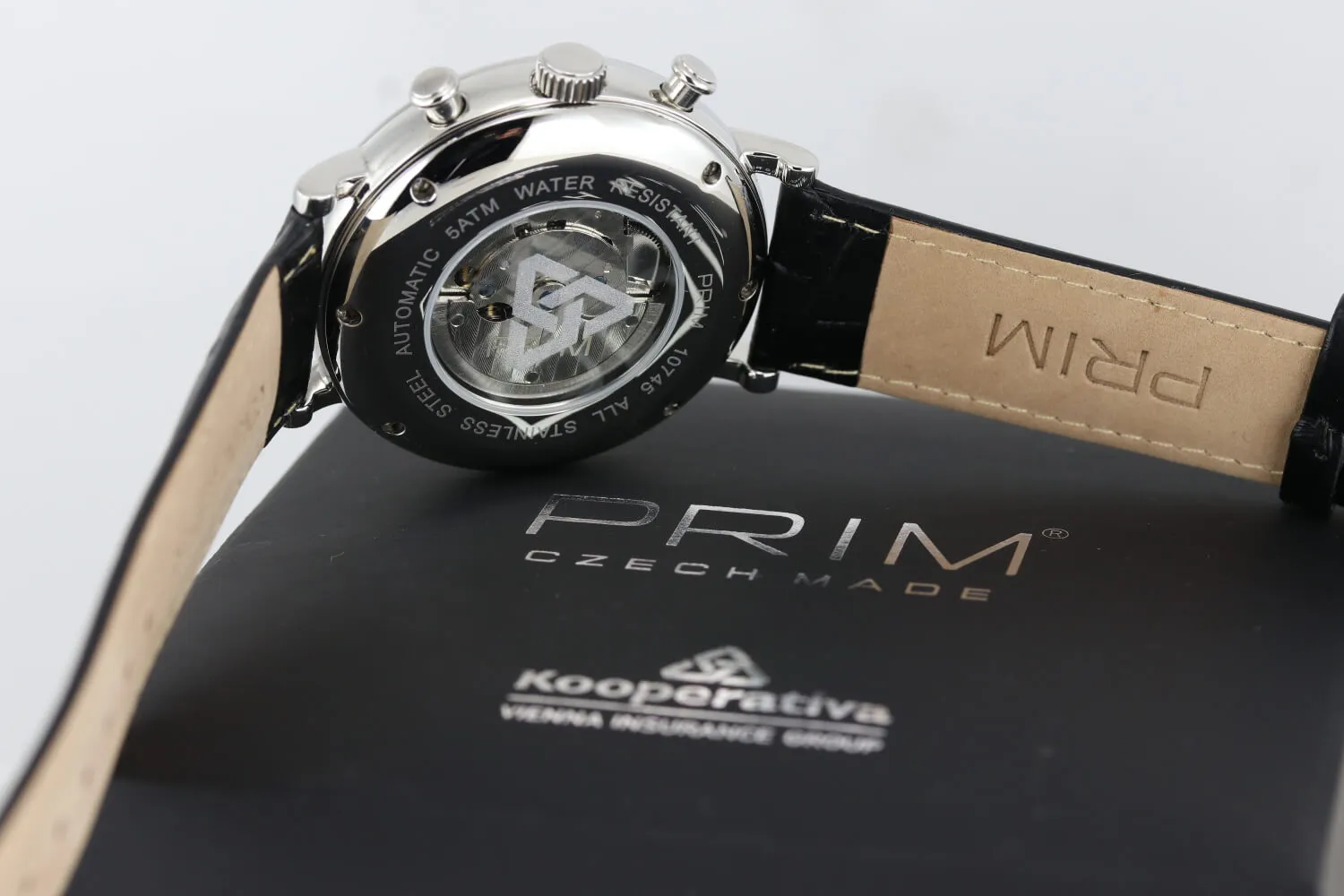
Watch manufacturers list three most common levels of water resistance:1. Watches with 3ATM, 30 m (3 bar) water resistanceThey are moisture-proof and dust-proof, but should not be exposed to prolonged contact with moisture. They can certainly withstand a splash of water or rain.2. Watches with 5ATM, 50 m (5 bar) water resistanceThey are suitable for surface swimming and showering, but not for diving.3. Watches with 10ATM, 100 m (10 bar) and higher water resistanceThey are suitable for swimming and water sports. Watches with 20ATM or higher are suitable for diving.
Instructions for use and basic watch care rules (standard information after purchase)
You have just become the owner of a watch from our collection. To ensure your watch serves you for a long time and maintains its beautiful appearance, certain guidelines must be followed. Already at the time of purchase, choose a watch that suits your lifestyle and daily activities.
Materials and types of glass
Mineral glass (Silica glass)This is the most commonly used glass for PRIM watches. The main advantage is the price-to-quality ratio. Another advantage is its easier processing compared to sapphire glass. The disadvantage is lower scratch resistance compared to sapphire glass.
1) Classic convex glassThey look like a classic lens with a single radius of convexity.
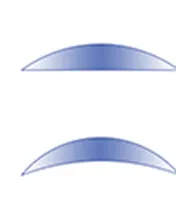
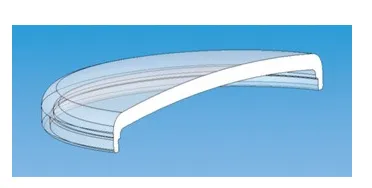
2) Non-standard convex glass (Diplomat, Retro Automatic models etc.) The glass is not classically convex but domed like a vault. Or simply domed glass. This type was also the most commonly used in the past and was typical of wristwatches.
PRIM watch case size table, strap widths

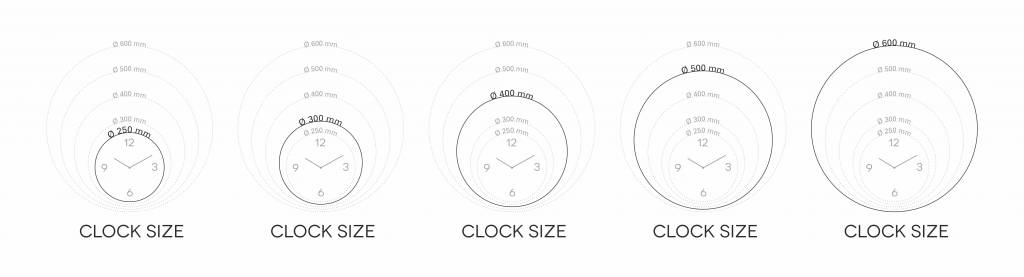
PRIM wall clock sizes
Movement information
MIYOTA 8215 If you feel that the second hand on your watch stutters, we assure you that this is not a defect but a normal condition. In watches fitted with a Miyota 8215 movement, the second hand moves in a characteristic way that may sometimes appear to stutter. This is typical behaviour of this movement.
Tritium vs Luminescent coating
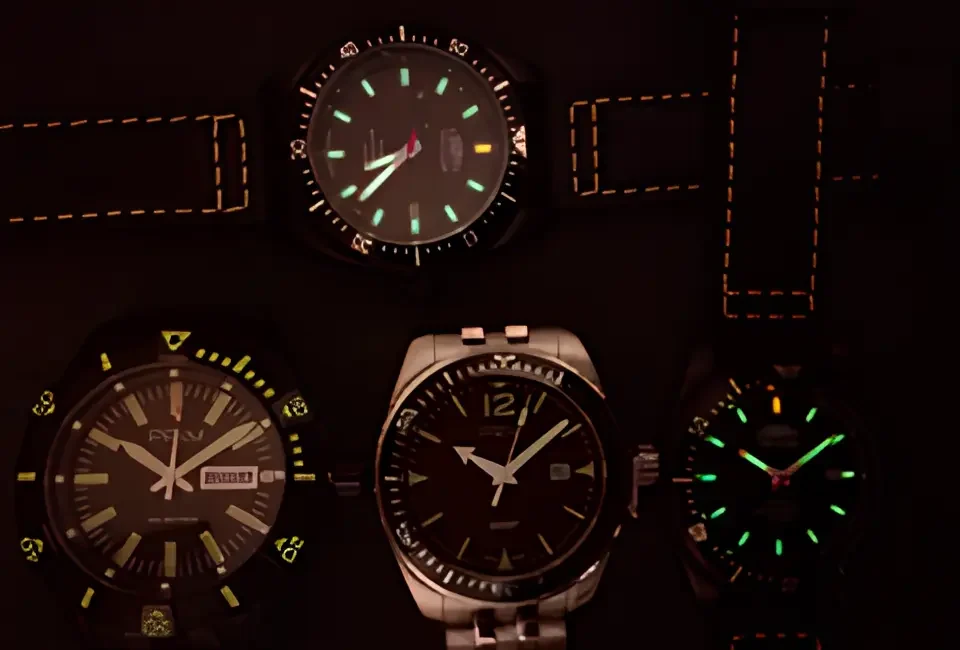
The tritium vials that glow on the indexes and hands of our PRIM Sport Tritium watches have different properties than standard technologies such as luminescent paints. Thanks to the luminescent layer, the indexes glow brightly immediately after being exposed to light, while the tritium vials start with a lower intensity. The first photo shows the state immediately after exposure.
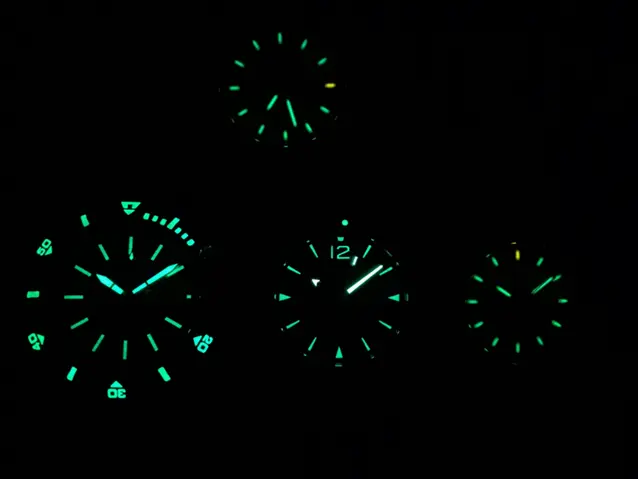
After a few minutes, the radiation is roughly the same for both variants. See photo approx. 5 min. after exposure.
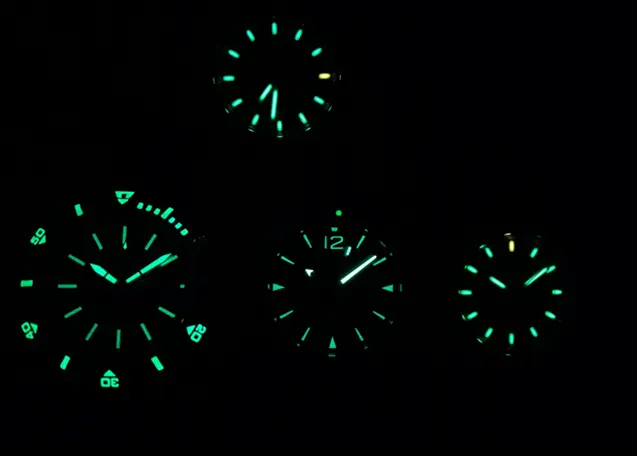
In the third image, you can see that the luminescent indexes barely emit light, unlike the tritium vials. See photo approx. 25 min. after exposure.
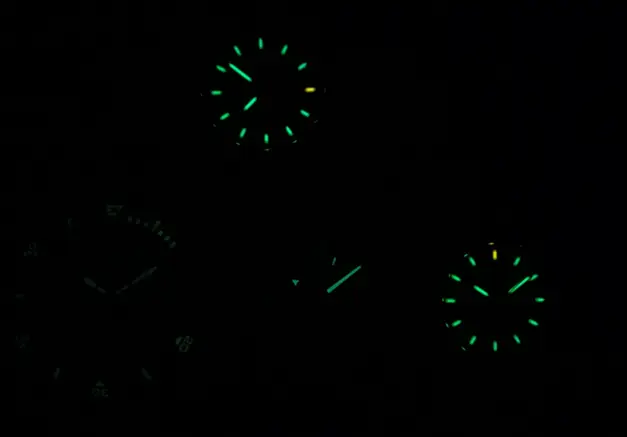
And so it continues. The luminescent indexes emit less and less light, while the tritium vials glow at the same intensity. For luminescent indexes, the brightness naturally depends on the type of light and duration of exposure.
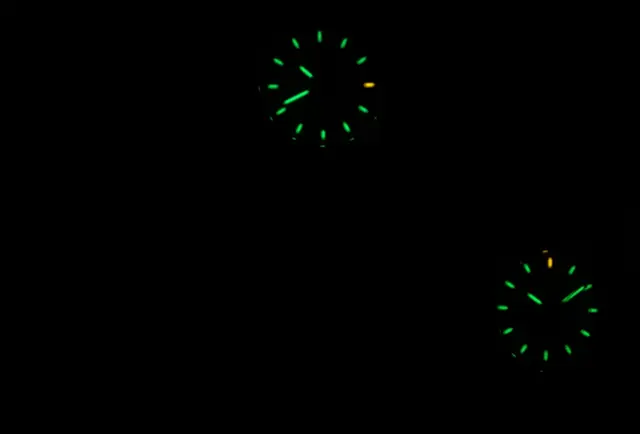
The watches were exposed to artificial light for approximately 30 seconds and the luminescence brightness is proportional to that. Further information about tritium vials in our watches can be found in the Safety and Warranty document.