















1. What is water resistance in watches
Water resistance indicates what pressure (ATM/BAR) a watch can withstand without water penetration.
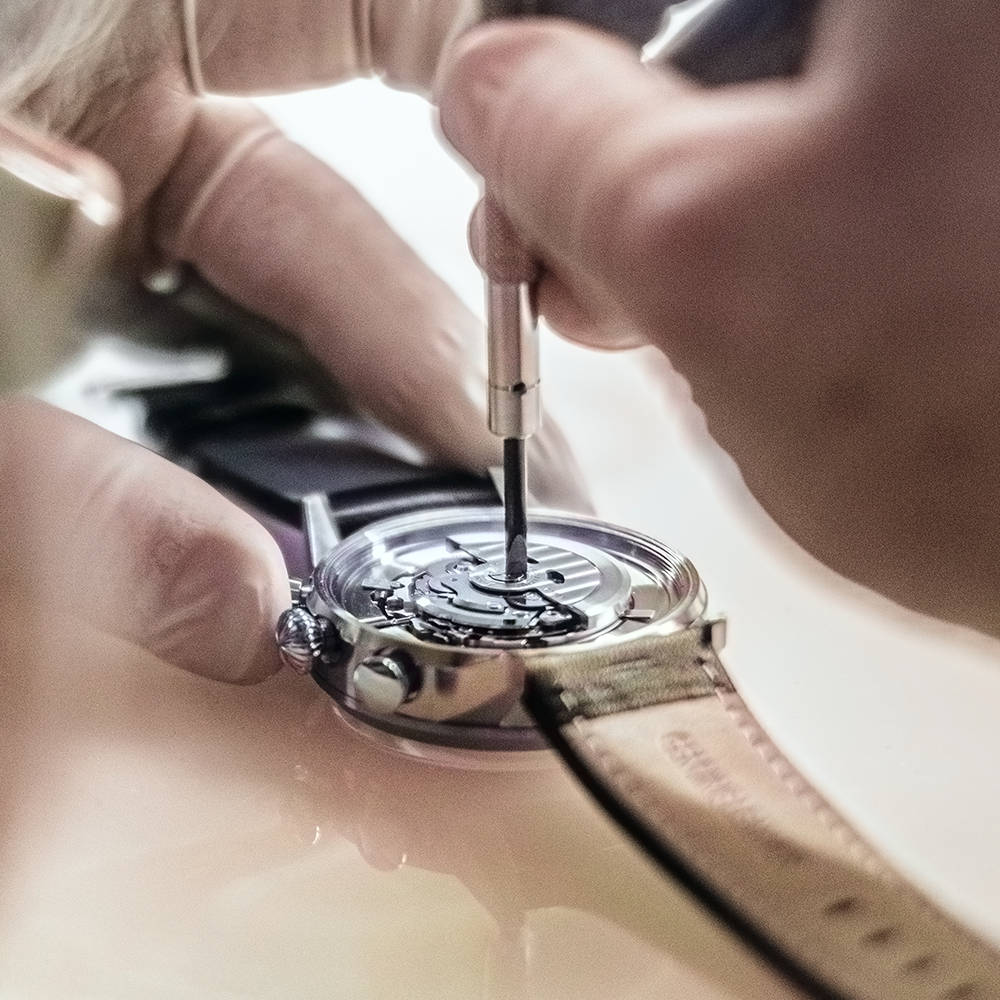
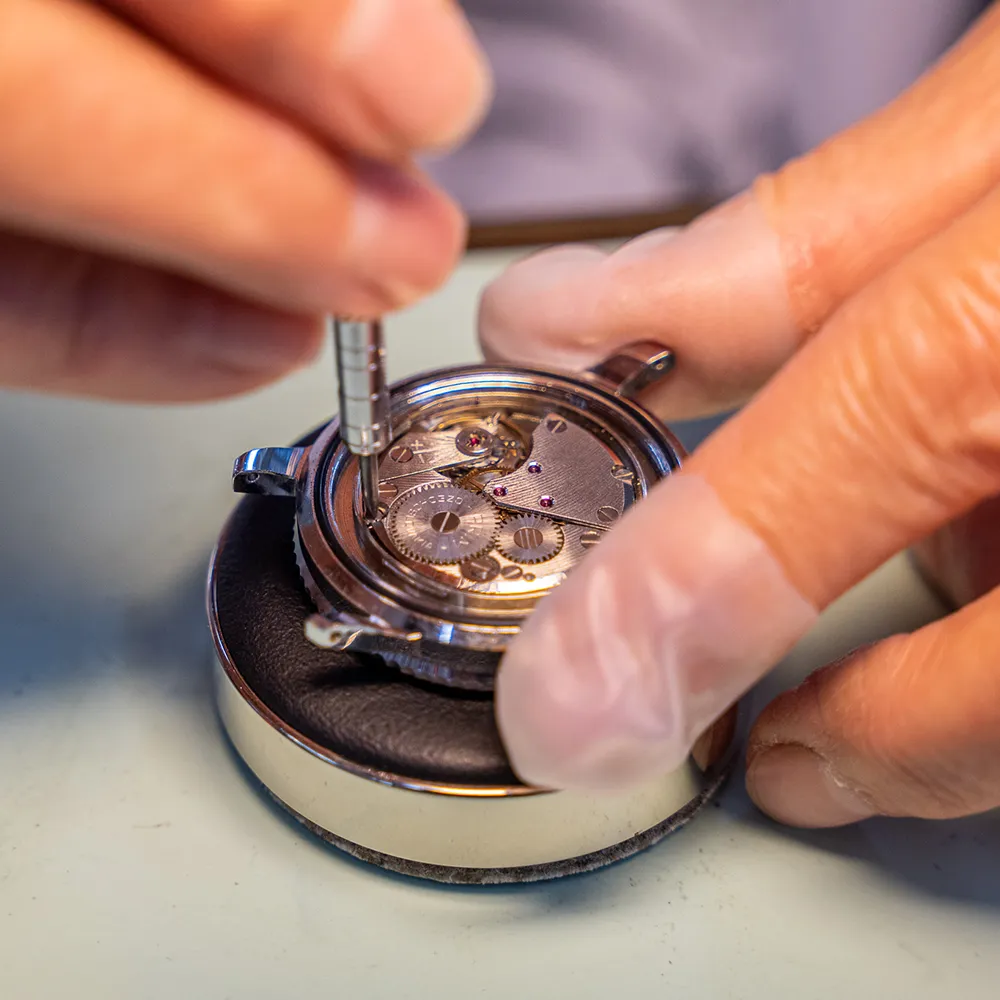
Important: static pressure is tested – in practice, pressures during movement, jumping into water or showering can be significantly higher ➝ the watch must have a reserve. Pressure tests are conducted in a pressure chamber, where the case is subjected to vacuum and overpressure tests. Special instruments are used for this purpose, which automatically evaluate the test result. For service purposes, a so-called wet test is used, where the case is exposed to vacuum in a glass cylinder with water and the watchmaker can precisely locate the leak – bubbles escape from the leaking spot.
2. Common markings and their meaning
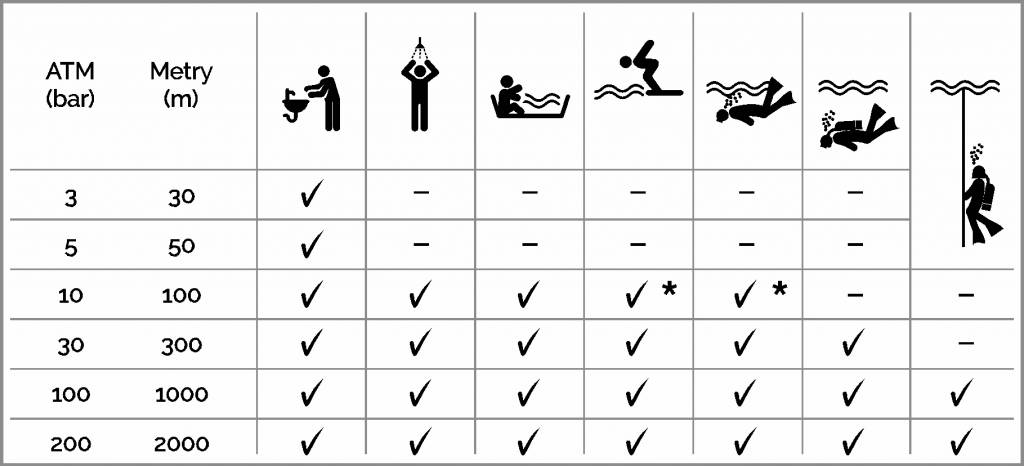
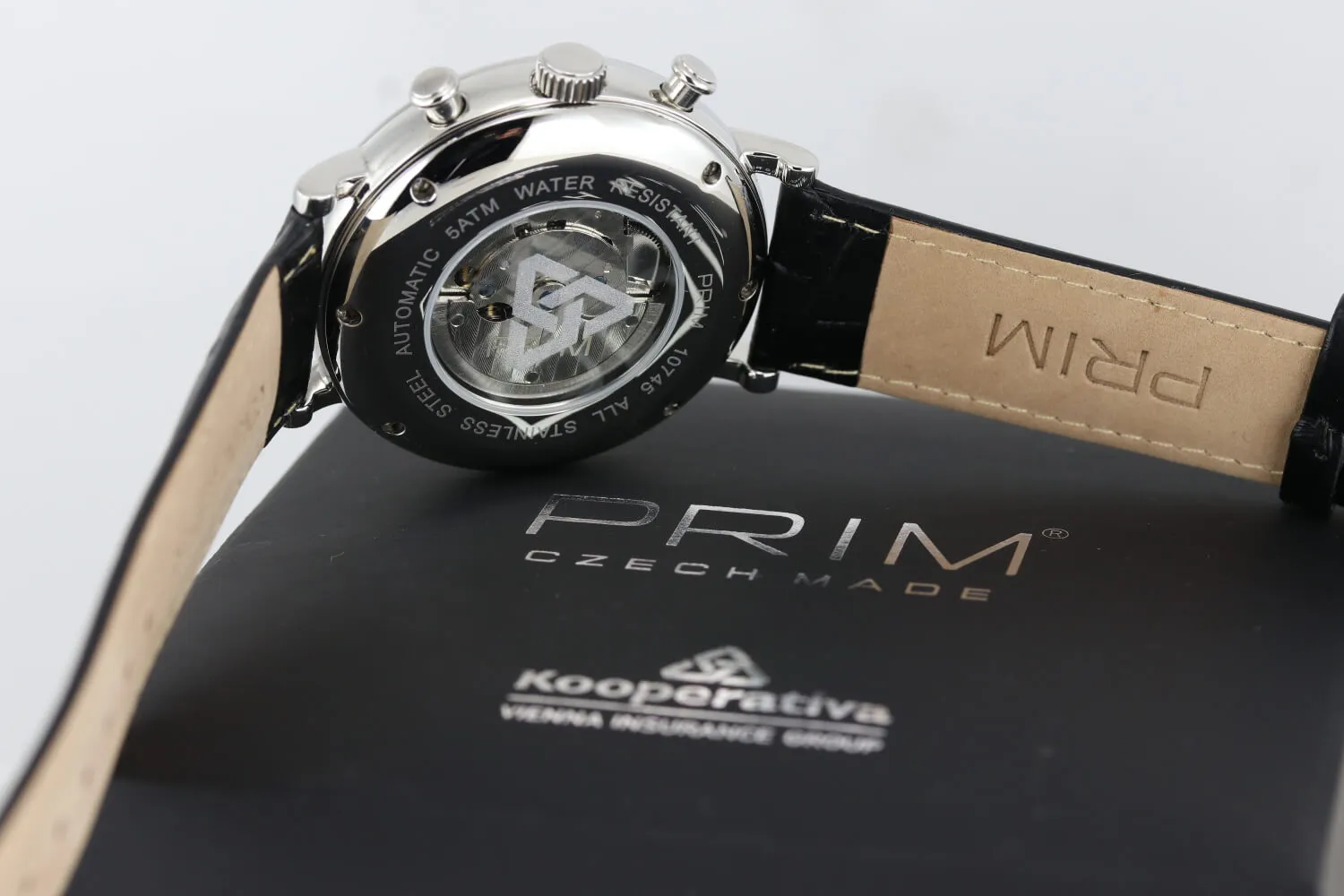
Watch water resistance is indicated in ATM, BAR or m (metres) values. The marking is shown on the dial, or on the case back of the watch. There is a basic table showing how to behave when using a watch with a given water resistance.
- 1 ATM / 10 m water column
- 3 ATM / 30 m – resistant to splashing water, rain, hand washing.
- 5 ATM / 50 m – Hand washing, accidental contact with water. Our company does not recommend use while swimming even though models are tested for this pressure.
- 10 ATM / 100 m – safe for the pool, snorkelling, but not combined with diving. For regular activities such as swimming, snorkelling, we recommend the “simplest possible” model, watches without pushers, without a chronograph.
- Higher (20–30 ATM and above) – for breath-hold diving or scuba diving.
3. What can 3 ATM, 5 ATM, 10 ATM handle
3 ATM
- Ideal for everyday wear, splashing when washing hands at a sink. Do not use when bathing – may not withstand any pressure changes.
5 ATM
- Even though the watches pass tests for the declared pressure, the boundary between submersion and, for example, slapping the water surface, where dynamic pressure acts on the case, is very thin. For mechanical watches, we definitely do not recommend use while swimming or any intentional contact with water. Repairing a mechanical movement is very costly.
- Perfect for holidays and everyday wear in social settings.
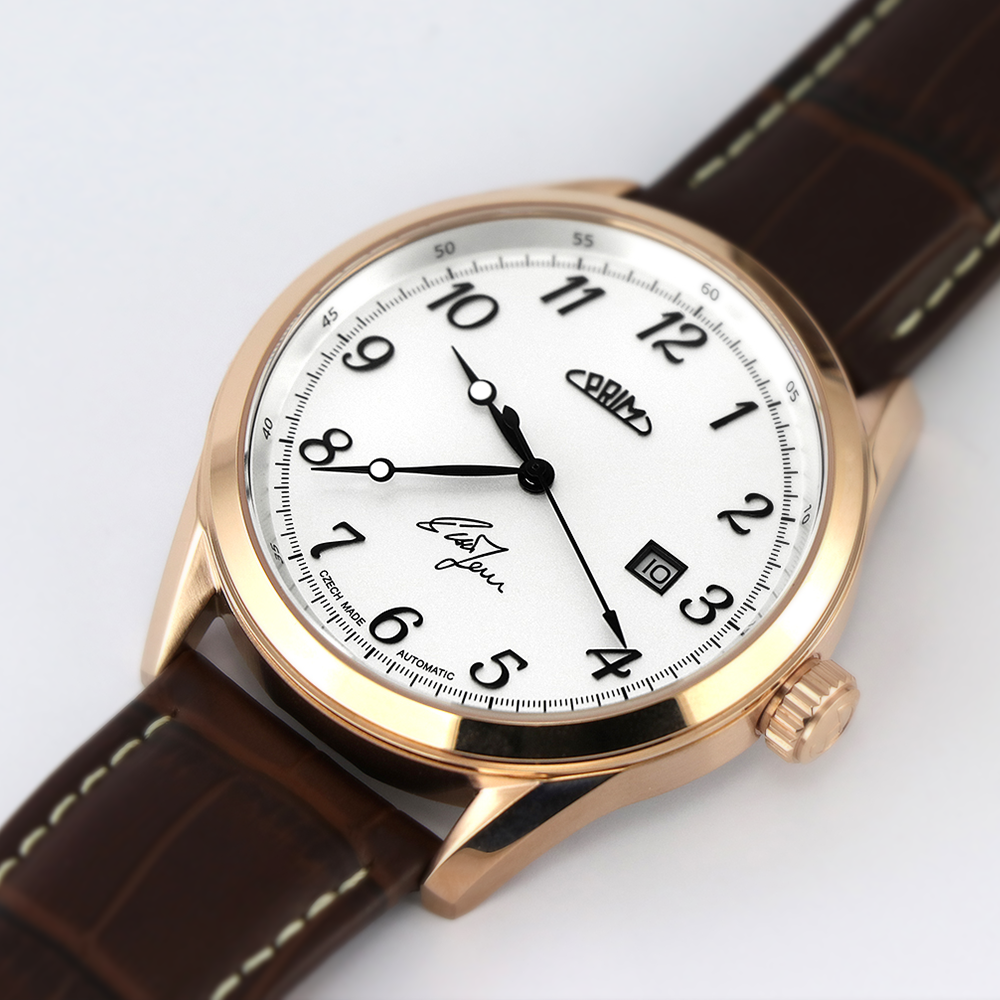
- PRIM Retro Automatic Stylish retro automatic watches
- PRIM Repre Ideal watches for any occasion
- PRIM Olympia Diamond Ladies’ watches that captivate
- PRIM JAN KAŠPAR LE. A nostalgic look inspired by the story of Jan Kašpar and his legendary flight. Sapphire convex glass, elegant dial and an exceptional leather strap tuned to the overall expression of the watch.
10 ATM
Here we should distinguish between 10 ATM without a screw-down crown and 10 ATM with a screw-down crown, whether they have chronograph pushers or other buttons for additional function control.
10 ATM without a screw-down crown, with chronograph pushers
- Suitable for the pool, water and light snorkelling. We definitely do not recommend them for regular swimming. We also do not recommend jumping into water.
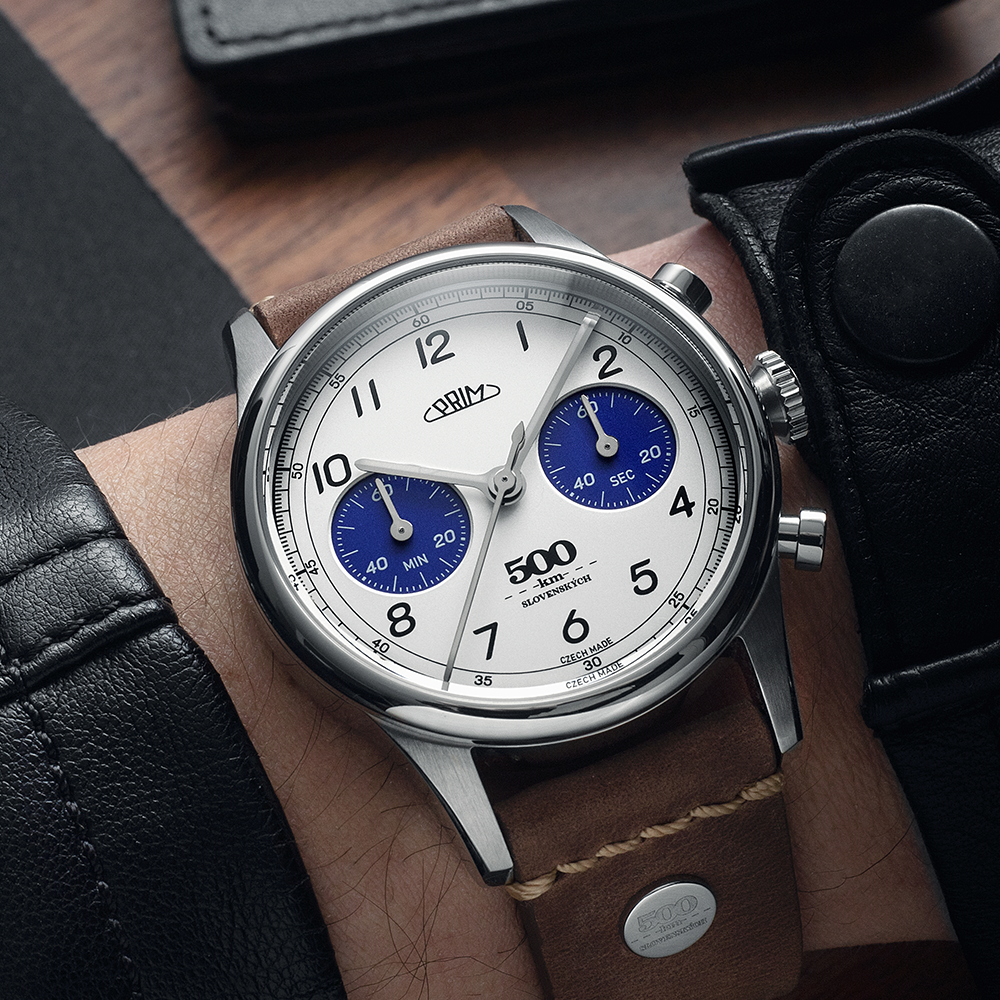
- PRIM Racer Chronograph Sporty design, sapphire glass and a large case
- Definitely worth mentioning is the sporty-elegant model for the demanding – PRIM Master 25
10 ATM with a screw-down crown
- We definitely recommend such models for regular swimming and contact with water. Thanks to their construction, they can truly withstand a lot. The only limitation may be the strap used, which is very often leather. Some models also have impregnated straps, silicone or metal bracelets. They can also withstand jumps from starting blocks at the pool, but not from diving towers.
- PRIM Sport Adventure These watches will be appreciated not only by sports enthusiasts; their design is made to be suitable for everyday wear as well
- PRIM SPORT II.GEN.
- PRIM MACH TITAN LE Inspired by the needs of supersonic jet pilots. Robust yet comfortable case, sapphire convex glass, aviation design.
30 ATM
- PRIM ORLÍK III A sporty-elegant iconic model from manufacture production. The modern successor to the first Czechoslovak military watches. Ergonomic lower case, sapphire cylindrical glass.
4. Myths and reality
- 5 ATM = I can go into water to a depth of 50 metres
No. A marking such as 5 ATM or 50 m does not mean you can actually swim 50 metres below the surface with the watch.
Reality: These numbers express static laboratory pressure, not real-world conditions. 5 ATM means the watch can handle contact with water during normal hand washing or a light shower, but is not intended for jumping into water or prolonged submersion.
- Watches with 3 ATM water resistance are waterproof
Not quite.
Reality: 3 ATM (30 metres) means only basic protection against moisture – e.g. rain or splashing when washing hands. It is not water resistance in the true sense. Definitely do not shower or bathe with them.
- Jumping into water is fine when I have 5 or 10 ATM
Wrong.
Reality: When jumping or rapidly submerging, the watch is subjected to impact (dynamic) pressure, which can be much higher than the stated values.
For example, during a normal jump into water, the pressure on the watch can exceed 10 ATM – and that is borderline even for “swimming” models.
- If the watch survived a shower, it is waterproof
That is luck, not proof.
Reality: The watch may be temporarily sealed despite weaker protection. But hot water, pressure, steam or soap can damage the seals and moisture can get inside.
Showering and sauna are risky even for some 5 ATM models.
- Water resistance is permanent
It is not.
Reality: Watch seals age and wear out through mechanical use and temperature changes. We recommend having the watch’s water resistance checked annually, especially if you wear them in water.
- Can I use water-resistant watches in a sauna?
No
Reality: Even if the watch can withstand such “therapy”, it is a huge thermal shock for it. Also for the sealing materials. Moisture can condense on the glass surface during a sudden temperature change. Moreover, at high temperatures the watch case can burn your skin.
- Can water-resistant watches fog up? Even if they passed the water resistance test successfully?
YES
Explanation: As already mentioned regarding sauna use, during a sudden temperature change, moisture can form on the inside of the watch crystal. This is a physical phenomenon where moisture trapped inside the watch condenses due to a large temperature difference between the inside and outside of the watch crystal. How can this happen? If you pull the crown to the time-setting position, old seals may allow a tiny amount of moisture in, manipulation of the crown when the watch is wet, etc. During normal wear, this often does not manifest in any way.
5. How to care for water-resistant watches
- After contact with salt water, rinse immediately with fresh water (recommendation for +10 ATM)
- Have the watch checked annually for its declared water resistance
- Check the seals (during battery replacement), service every 2–3 years, or after a major impact.
- Never repair water resistance yourself – use a professional service.
- If you plan to swim, snorkel or do water sports with your watch, look for models with at least 10 ATM (100 m) water resistance and ideally with a screw-down crown.
- Never operate the crown or pushers underwater unless the manufacturer expressly permits it.
Summary table: